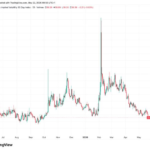
USD/CAD has demonstrated consistent strength, remaining robust for the fourth day in a row as it hovers around the 1.3790 mark during the early hours of trading in Europe. This upward momentum is largely fueled by a resilient US Dollar (USD), which is bolstered by increasing expectations surrounding a hawkish stance from the Federal Reserve (Fed) regarding interest rates.
With traders anticipating that the Fed will maintain higher interest rates, concerns about ongoing disruptions in the Strait of Hormuz are leading to projections of rising core US consumer prices and inflation expectations. Currently, Fed officials are keeping the federal funds rate steady, but discussions about potential rate hikes are gaining traction, especially if inflation does not show signs of easing.
In a notable development, US President Donald Trump is set to formally swear in Kevin Warsh as the new chair of the US Federal Reserve. Warsh will succeed Jerome Powell, whose term expired recently but who has been serving on a temporary basis until the transition is finalized.
In contrast, the commodity-linked Canadian Dollar (CAD) is facing headwinds against the USD, primarily due to declining oil prices. As the largest crude exporter to the United States, Canada’s economy is particularly sensitive to fluctuations in oil prices. West Texas Intermediate (WTI) crude oil has seen a decline for three consecutive days, trading at approximately $96.80.
The downturn in crude oil prices can be attributed to easing supply concerns and growing optimism concerning potential agreements between the United States and Iran. US Secretary of State Marco Rubio has pointed to promising signs regarding a possible deal, although senior Iranian officials have clarified that no formal agreement is in place just yet, indicating that while gaps have narrowed, discussions are still ongoing.
The performance of the Canadian Dollar (CAD) is influenced by several factors, including interest rates set by the Bank of Canada (BoC), oil prices, economic health, inflation rates, and trade balance. Additionally, market sentiment plays a significant role—whether investors lean towards risky assets or retreat to safer havens can impact CAD value accordingly.
The BoC’s monetary policy significantly affects the CAD through the interest rates set for interbank lending. The central bank’s primary goal is to keep inflation within a target range of 1-3% by adjusting interest rates. Higher interest rates generally provide a positive backdrop for the CAD, as they can attract foreign investment.
Given that petroleum is Canada’s largest export, changes in oil prices can directly influence the CAD’s performance. Rising oil prices typically bolster the CAD due to increased demand, while falling prices can have the opposite effect. Additionally, fluctuating oil prices can impact the trade balance, further affecting the currency’s stability.
While traditionally, inflation is viewed as detrimental to a currency’s value, modern perspectives shift this view, recognizing that higher inflation can prompt central banks to raise interest rates, thus attracting capital inflows and boosting demand for the local currency. In the case of Canada, this phenomenon can reinforce the strength of the CAD.
Ultimately, macroeconomic indicators such as GDP growth, manufacturing and service sector performance, employment rates, and consumer sentiment surveys are critical in assessing the overall health of the Canadian economy. A strong economic outlook can elevate the CAD through increased foreign investment and potential interest rate hikes by the BoC, whereas weak data often leads to depreciation of the currency.