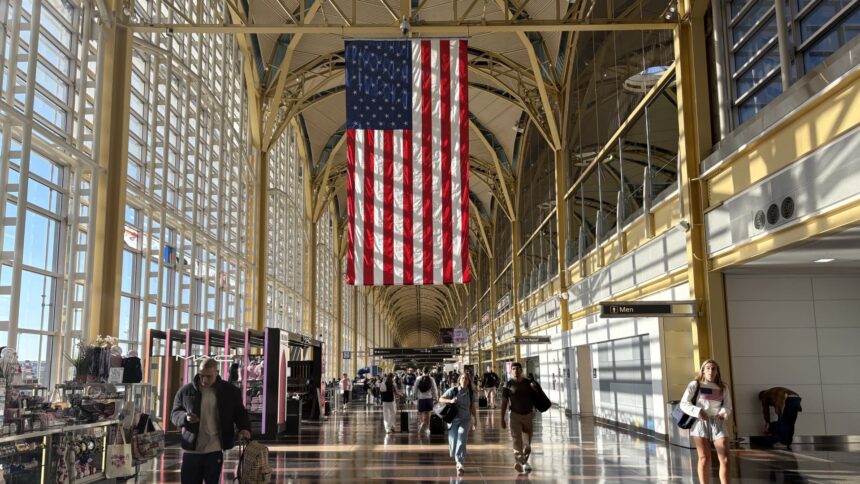
As the summer travel season approaches, rising fuel prices are creating uncertainty for consumers eager to hit the road or take to the skies. Airfares have surged to their highest levels since May 2022, driven by a combination of factors including airline staffing shortages emerging from the pandemic and heightened demand from travelers seeking to make up for lost time.
Currently, domestic round-trip airfares have averaged $623 in April, marking the highest rate in nearly four years, according to data from the Airlines Reporting Corporation. The increase in costs is particularly significant for airlines, as jet fuel is their second-largest expense after labor. In less than three months, fuel prices have escalated, particularly following geopolitical tensions involving Iran, effectively closing a crucial shipping channel and doubling jet fuel costs.
Additionally, airlines are responding to these economic pressures by adjusting their operational plans. Many carriers are reducing their growth projections and cutting frequencies on certain routes, which could lead to even fewer available seats as robust travel demand persists. This reduction in available flights often results in higher prices, compounding the challenges for travelers.
In a notable development, Spirit Airlines recently ceased operations, citing rising jet fuel prices as a contributing factor in its inability to recover from previous financial struggles. This closure has left a void in low-cost air travel options, forcing other airlines to adapt in order to accommodate the former Spirit customers.
Looking ahead, the upcoming Memorial Day weekend is set to serve as a litmus test for consumer willingness to travel amid rising expenses. The Transportation Security Administration anticipates screening approximately 18.3 million individuals during this period, a slight decline from the previous year’s figures, reflecting hesitancy driven by economic factors.
AAA’s latest forecast indicates that 39.1 million people are expected to embark on road trips over the same holiday weekend, marking a minimal increase of just 0.1% compared to the previous year—the slowest growth rate observed in a decade. Gas prices, which are predicted to average $4.48 on Memorial Day, could climb even higher throughout the summer if geopolitical tensions persist, with potential peaks reaching $4.80.
While traveler intent for leisure trips slightly dipped in March, this year’s figures remain robust, with analyst firm UBS noting overall intentions are among the highest seen in the past nine years. Despite rising costs, airline executives are optimistic, projecting significant passenger increases this summer, boosted by major events such as the upcoming FIFA World Cup co-hosted by the U.S., Canada, and Mexico, alongside concerts and entertainment happenings.
United Airlines anticipates carrying 53 million travelers from June through August, marking a 3 million increase from the previous year. Similarly, American Airlines expects to serve a record 75 million customers between May 21 and September 8, surpassing its previous record set in 2019.
For travelers still looking for deals, experts recommend flexibility in travel plans. Utilizing tools like Google Flights’ “Explorer” to compare destination prices or traveling midweek might yield substantial savings. Additionally, frequent flyer miles and credit card points should be strategically utilized now to avoid potential devaluation in the future.
As travelers make their plans, the combined forces of rising fuel costs and a challenging economic landscape paint a complicated picture for this summer’s travel environment.