The Trump administration has announced new details regarding the enforcement of upcoming Medicaid work requirements that could significantly impact millions of Americans relying on the government health program. Administration officials assert that the policy aims to reduce fraud and safeguard taxpayer money.
The Centers for Medicare and Medicaid Services (CMS) released new regulations outlining the obligations states must fulfill as they implement work requirements starting next year. This policy mandates that many low-income adults without disabilities must demonstrate they have worked, volunteered, or attended educational programs for a minimum of 80 hours each month to maintain their Medicaid eligibility.
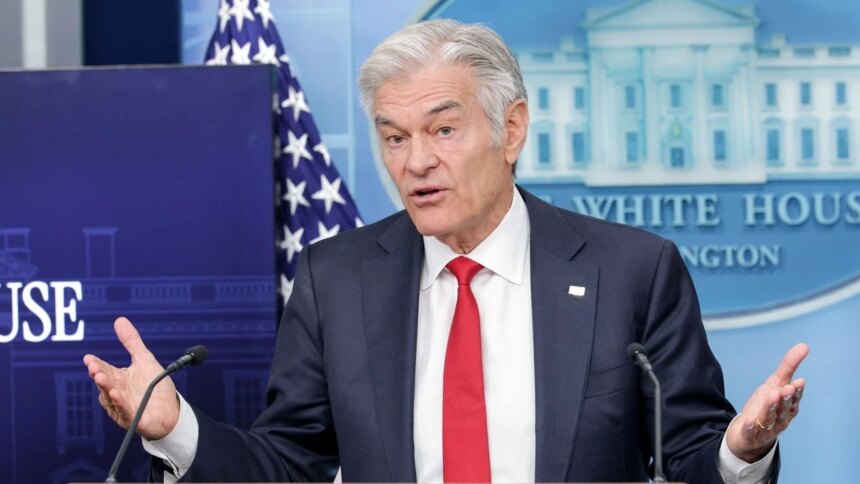
CMS Administrator Dr. Mehmet Oz emphasized the administration’s commitment to addressing these challenges during a recent White House briefing. Dr. Oz stated, “We’re not looking the other way; we’re aggressively taking on these challenges,” defending the administration’s broader initiatives to combat improper Medicaid payments. He added, “The goal is to keep the money from ever leaving the building. That is the best way to protect the American taxpayer. But if you defraud the system, you don’t just take money out of the system. If people steal your money — money from our most vulnerable Americans — they’ll steal their health, they’ll steal their life.”
The new policies also clarify who qualifies for exemptions from the work requirement. Pregnant women, caregivers, and some individuals with severe medical conditions will still be exempt. However, critics argue that the administration has limited the definition of “medically frail.” Rather than automatically exempting individuals with severe illnesses such as cancer, HIV/AIDS, or end-stage renal disease, the final rule mandates that affected individuals must prove their condition significantly hinders their ability to work, volunteer, or pursue education.
Patient advocacy groups have expressed concern that these changes could jeopardize access to coverage for vulnerable individuals still undergoing treatment for serious health conditions. Currently, Medicaid offers health insurance to approximately 68 million low-income or disabled Americans. A recent estimate from the Congressional Budget Office indicated that about five million people might lose their coverage due to the new work requirement policy, impacting even some individuals who are currently employed but struggle with the bureaucratic necessities of reporting their work status.
Accompanying the rule, the Trump administration released a report suggesting that the work requirements might help lift at least 1.6 million Americans out of poverty by encouraging increased workforce participation and higher income levels. While supporters of the policy argue it fosters accountability and promotes economic mobility, critics contend there is minimal evidence to support the effectiveness of work requirements in enhancing employment rates and caution that eligible recipients may lose coverage due to complex reporting requirements.
As the administration moves forward with these policies, the debate surrounding their implications for Medicaid recipients continues to intensify, with advocates calling for a reevaluation of how these regulations could affect some of the nation’s most vulnerable populations.