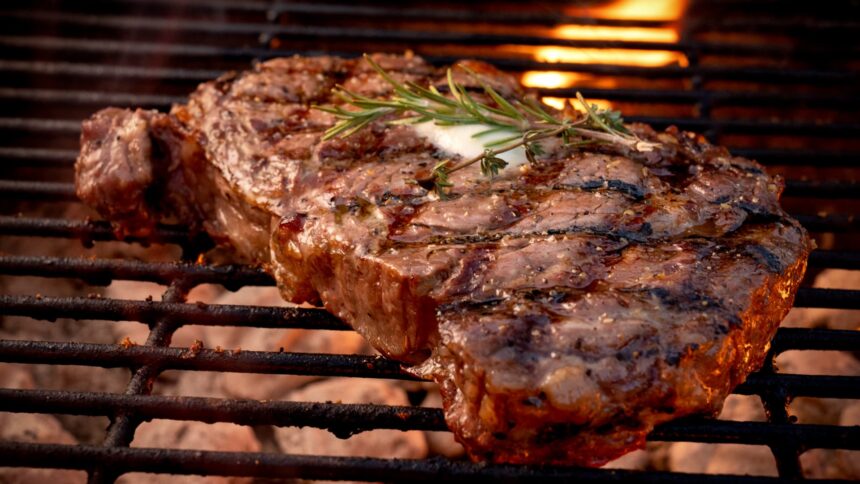
As the Fourth of July approaches, Americans are gearing up for their traditional summer barbecues, but they’re doing so amid soaring beef prices. Despite this significant increase, demand for beef, particularly steak, remains robust. The price surge is attributed to the U.S. cattle herd shrinking to its lowest levels in decades, a consequence of prolonged droughts, high feed costs, and herd liquidation. This drop in supply has led to escalating cattle prices, in turn pushing up the retail costs for consumers.
Data from the U.S. Bureau of Labor Statistics indicates that the average price for ground beef reached $6.75 per pound in May, marking a nearly 13% increase from the previous year and just shy of April’s record high of $6.90. Meanwhile, beef steak prices averaged $12.80 per pound, which is up 16% year-over-year and remains the second-highest price recorded.
Interestingly, this price sensitivity hasn’t deterred consumers from their grilling traditions. In fact, beef sales have generated the largest dollar growth in food categories leading up to Independence Day, with an increase of approximately $352 million compared to the previous year. A spokesperson for Kroger noted sustained demand for steaks and a noticeable shift towards more premium and organic options, suggesting that beef continues to be a favored choice during significant holidays like Easter and Memorial Day.
Consumer behavior appears to be evolving, with many viewing steak as an “affordable luxury” worthy of investment for special occasions. A report from NielsenIQ highlighted that while shoppers are budget-conscious, they are increasingly prioritizing quality. Data shows that there is a growing preference for high-quality labels such as USDA Prime, grass-fed, and hormone-free meat options.
Shoppers are reported to be more deliberate in their purchases, opting for premium meats while cutting back in other grocery areas. This trend is evident in companies like Omaha Steaks, which has experienced a surge in sales of its USDA-certified tender top sirloin filet, especially as consumers look for gifts that convey thoughtfulness, even amidst rising prices.
Restaurants too are benefiting from this shift in consumer preferences. LongHorn Steakhouse, for example, has seen an increase in customers seeking out high-quality steaks. The CEO of the chain’s parent company, Darden Restaurants, emphasized how the combination of high beef prices has altered diners’ perception of value.
As the Fourth of July celebrations approach, a pressing question remains: how long can this trend continue? While rebuilding the U.S. cattle herd may stabilize beef supplies and prices in the future, this process is lengthy and may require additional imported beef to alleviate the current strain on supply.