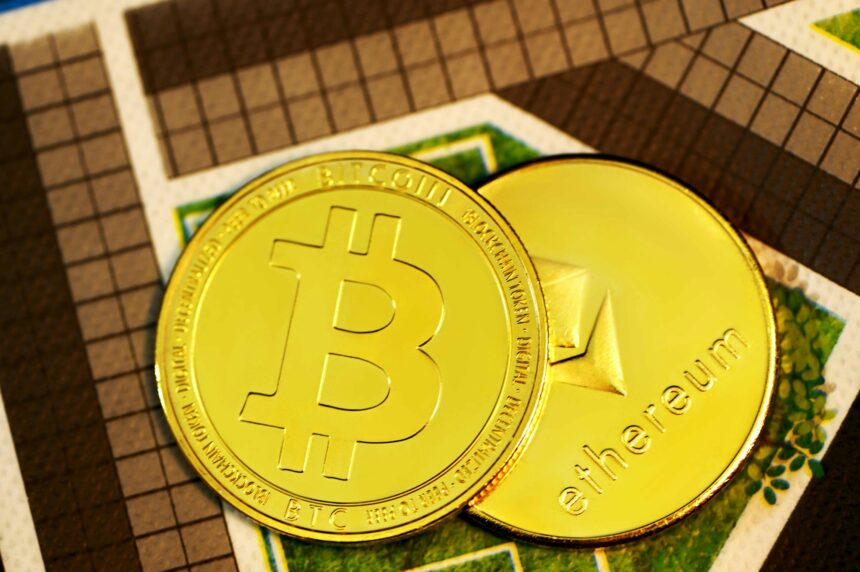
Proponents of Bitcoin have increasingly labeled it as “digital gold,” drawing parallels between the cryptocurrency and traditional precious metals. Both assets present challenges in valuation, primarily because they do not yield interest or dividends. As a digital asset, Bitcoin carries the risk of becoming vulnerable to hacking as quantum computing technology advances. Conversely, gold necessitates physical storage in vaults, presenting its own logistical challenges.
The supply dynamics of Bitcoin and gold differ markedly. Bitcoin exhibits a capped supply, while the potential demand could stem from a global population eager to invest. Gold mirrors this scenario, with a finite supply that could be supplemented by increased mining due to rising prices. Notably, Bitcoin’s market is also influenced by a wider array of cryptocurrencies, which tend to follow Bitcoin’s lead in price fluctuations. Similarly, the prices of gold can be swayed by the performance of other precious metals.
Bitcoin has experienced significant volatility in recent years. Its price remained predominantly below $10,000 from 2017 to 2019 before surging to nearly $70,000 in late 2020 during a major market upswing. A subsequent decline saw Bitcoin fall below $20,000 by late 2022. However, a resurgence fueled by Wall Street investments and support from the Trump administration propelled the value to a staggering high of almost $125,000 by late 2025, before settling back to approximately $90,000.
In the realm of gold, indicators suggest it may also see substantial increases. As of March 2024, gold broke out decisively from a multi-year consolidation phase, surpassing $2,000 per ounce—a milestone that indicated a bullish outlook. Following suit, silver experienced a breakout in early May 2024, reaching around $27 per ounce. Since their respective breakouts, the prices of gold and silver have climbed approximately 2.5 times and 3.7 times, respectively.
These trends prompt speculation about the potential for significant growth in both Bitcoin and gold, capturing the interest of investors across the globe. As financial markets continue to evolve, the dynamics between these digital and physical assets will likely remain a focal point for traders and analysts alike.