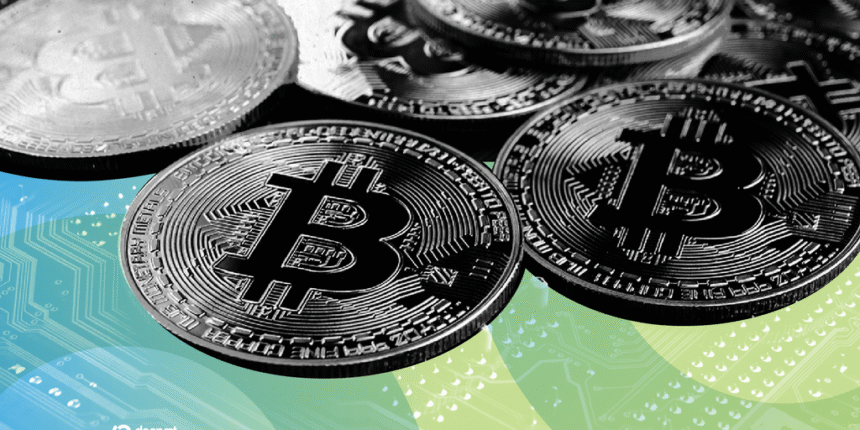
Bitcoin has experienced a noticeable dip, falling below the $121,400 mark while major stock indices, including the S&P 500 and Nasdaq, along with precious metals such as gold and silver, have reached unprecedented highs. Currently trading at $121,336, Bitcoin has decreased by 0.9% in the past day, though it remains 1.5% higher than last week and 7.6% above last month’s price, as reported by crypto price aggregator CoinGecko.
Despite this recent decline, Bitcoin is still trading within 3.8% of its all-time high, which was established over the weekend at over $125,000. In contrast, both the S&P 500 and Nasdaq 100 achieved record highs this week, while gold surpassed $4,000 for the first time and silver exceeded $51 per ounce, according to TradingEconomics.
Analyst Maartunn from CryptoQuant noted that Bitcoin continues to lag behind traditional financial assets and precious metals. He expressed skepticism regarding the impact of recent comments from Federal Reserve Chair Jerome Powell, which provided no clarity on future monetary policy and thus left traders uncertain. Historically, investors dissect Powell’s speeches for insights into the Federal Open Market Committee’s monetary policy positions, but his recent remarks, lasting under a minute and devoid of any substantial economic insights, have only added to the uncertainty.
Data from Myriad, a prediction market platform, indicates that a significant majority—68% of participants—believe gold will outperform Bitcoin in 2025. Since the start of the year, Bitcoin has recorded a 29% increase, moving from approximately $94,000 to its current value. In stark contrast, gold has skyrocketed from around $2,642 per ounce to as high as $4,040, marking an impressive 53% rise.
Maartunn further emphasized that Bitcoin investors may need to exercise patience, as a sustainability trend reversal must occur over several days before it can be confidently claimed that Bitcoin is ready to outperform stocks and precious metals. The ongoing underperformance in comparison to these assets has prompted a cautious outlook among analysts and investors alike.