The dynamics of the bitcoin lending industry are evolving, driven by an expanding ownership of the cryptocurrency and rising market prices. As more individuals acquire bitcoin, a growing number seek to leverage their appreciated holdings to borrow funds for various needs, including tax efficiency, working capital, or personal expenses. This phenomenon is being met with a burgeoning confidence from lenders who find assurance in underwriting overcollateralized loans secured by the liquid asset of bitcoin.
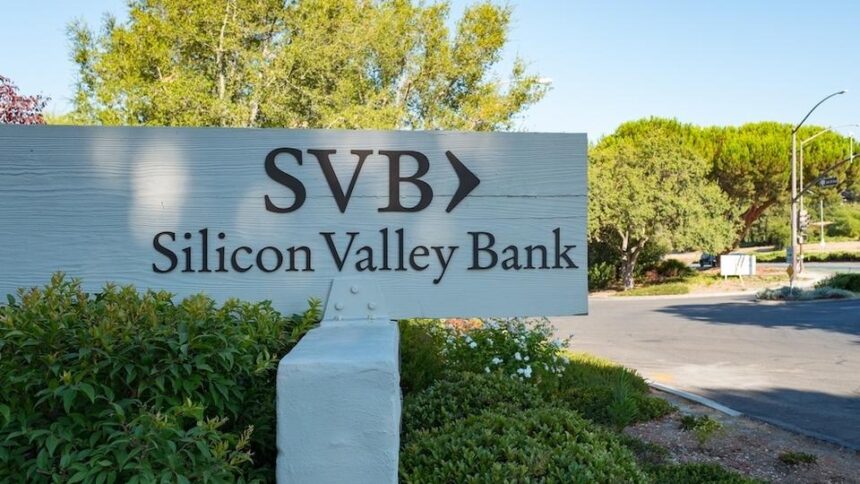
The landscape was dramatically altered during the 2022-2023 crypto credit crisis, which saw the collapse of major firms such as Celsius, BlockFi, and Genesis. Each of these companies operated under different business models yet encountered similar pitfalls, including maturity mismatches, excessive leverage, heavy reliance on a limited number of counterparties, and the rehypothecation of customer assets. Their failures highlighted a pressing need for more conservative underwriting practices, transparent risk management, and fully collateralized lending. These principles are touted as the guiding tenets for the next generation of bitcoin-backed lenders, as outlined in a recent report by Silicon Valley Bank (SVB).
Notably, recent landmark transactions signal a shift in the market’s confidence in BTC-backed credit structures. An example is Ledn’s issuance of a $188 million asset-backed security, marking it as the first bitcoin-collateralized deal to earn an investment-grade rating from a Nationally Recognized Statistical Ratings Organization. This event underscores a growing belief among investors and lenders regarding the viability and stability of such financial arrangements.
Despite the current landscape where bitcoin-backed loan rates range from 7.5% to 16% annual percentage rate (APR)—significantly higher than conventional financing options—SVB forecasts a gradual narrowing of these spreads as banks and private credit funds increase their involvement in the sector. Early indicators of this trend are already visible; for instance, Strike recently announced a competitive 7.5% rate on term loans exceeding $5 million, which is underpinned by a substantial $2.1 billion credit facility from Tether.
As the market continues to mature, both borrowers and lenders are likely to benefit from enhanced confidence and a more robust framework for bitcoin-backed loans, potentially signaling a new chapter for the cryptocurrency’s role in traditional finance.