Bitcoin’s price surged past $75,000 on Wednesday as traders reassessed the cryptocurrency’s role amid the ongoing conflict in Iran and a persistently stretched derivatives market. The recent price movements suggest that Bitcoin is increasingly perceived as more than just a speculative investment tied to technology stocks. With trading rates hovering between $74,000 and $75,000, Bitcoin has rebounded approximately 23% from a low near $60,000 experienced in February, marking a 3% increase over the past week despite persistent macroeconomic and geopolitical tensions.
The current resistance level lies within the $75,000 to $76,000 range, a threshold identified by analysts as the cap of a two-month consolidation period. Traders are closely monitoring support levels around $71,000, viewing this as critical for maintaining upward momentum. A decisive break above $76,000 could propel Bitcoin into the high $70,000s or even $80,000 in the forthcoming weeks, according to data from Bitcoin Magazine Pro. Conversely, failure to breach this price range may lead to a retreat to around $70,000, or even lower, reflecting where the last significant rally commenced.
On a deeper level, the derivatives market is revealing signs of indecision. The 30-day average funding rate for perpetual swaps has remained negative for 46 days—a duration comparable to the negative funding witnessed during the late 2022 bear market, as reported by research firm K33. This scenario implies that traders holding long positions in perpetual futures have benefitted from fees paid by those shorting the asset, despite the rising price. K33’s Head of Research, Vetle Lunde, notes that similar circumstances—characterized by increasing prices, rising open interest, and negative funding—have historically indicated consolidation lows that subsequently led to upward movements. The current backdrop raises the likelihood of a classic short squeeze if the price breaks out.
The geopolitical landscape, particularly the conflict in Iran, is influencing how Bitcoin is perceived in the marketplace. Since U.S. and Israeli airstrikes began in late February, Bitcoin has appreciated by 12%, contrasting sharply with declining trends in both the S&P 500 and gold prices. This shift has prompted figures like Matt Hougan, Chief Investment Officer at Bitwise, to argue that investors are now assessing Bitcoin as two distinct financial instruments. The first role is reminiscent of “digital gold,” positioning Bitcoin as a store of value in a market worth trillions. The second, previously regarded as far-fetched, suggests that Bitcoin could serve as a viable currency and settlement layer.
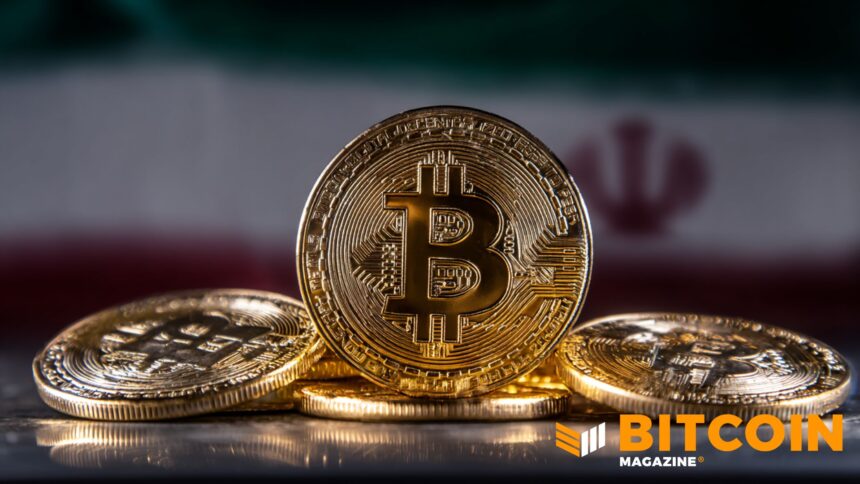
Furthermore, Iran’s decision to impose Bitcoin fees on oil shipments traversing the Strait of Hormuz has transformed speculation into a tangible example of Bitcoin’s utilitarian potential. The Iranian government announced a fee of $1 per barrel in Bitcoin for crude oil, which could lead to a settlement volume of around $20 million daily at current price levels. This development places Bitcoin directly in the context of substantial physical trade within a critical global chokepoint.
Hougan connects this evolving perspective back to the increasing use of financial sanctions and the removal of Russia from the SWIFT network, equating this action to a financial nuclear strike. In a landscape where sanctions and correspondent banking are wielded as instruments of statecraft, the emergence of a decentralized payment network that operates independently of governmental control is likely to hold significant appeal for both allies and countries outside of the Western sphere.
Amidst these intersecting trends in pricing, charts, and global geopolitics, Bitcoin’s price push toward $75,000 continues to gain momentum, illustrating a new narrative for the cryptocurrency as both a speculative asset and a functional medium of exchange. As of the latest figures, Bitcoin is trading at approximately $74,860.