Oil prices experienced a significant surge amid escalating tensions in the Strait of Hormuz, a critical maritime corridor for global energy supplies. Brent crude futures soared by as much as 7.5 percent during a tumultuous trading session on Thursday, reaching a peak of $103.70 before settling at $101.12 per barrel as Asian markets opened on Friday morning.
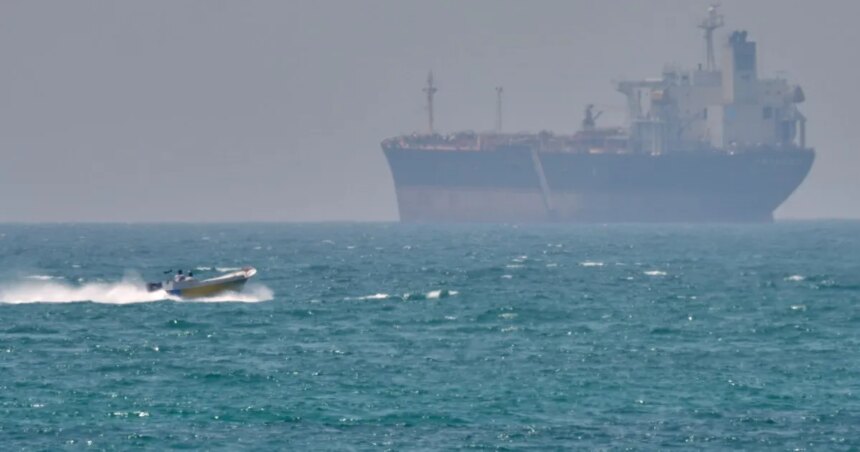
The spike in oil prices follows a violent exchange of fire between the United States and Iran, pushing their recently established ceasefire to the edge. Despite a truce declared on April 7, recent hostilities included attacks from Iranian forces targeting U.S. Navy guided-missile destroyers. The U.S. Central Command (CENTCOM) reported that these vessels were fired upon using missiles, drones, and small boats, prompting retaliatory airstrikes against Iranian positions.
On the other side, Iran’s Khatam al-Anbiya Central Headquarters accused the U.S. of violating the ceasefire by engaging an Iranian oil tanker and another nearby vessel, alleging that U.S. attacks also targeted civilian sites, including Qeshm Island. This exchange highlights the fragility of the current truce and the significant risks posed to maritime shipping in the region, which is vital for approximately one-fifth of the world’s oil and natural gas supplies.
Amid these developments, U.S. President Donald Trump attempted to downplay the severity of the clashes, asserting that the ceasefire remained intact. In contrast, Iran’s state-run Press TV reported that conditions were returning to normal. Nevertheless, shipping operations in the Strait of Hormuz have been severely affected since late February amid concerns over potential Iranian assaults on large oil tankers.
Market analysts note that Brent crude prices have risen approximately 40 percent since the onset of hostilities, largely driven by a significant shortfall in daily oil production estimated at 14.5 million barrels. The unrest has cast a shadow over Asian stock markets as they opened lower on Friday. Japan’s Nikkei 225, South Korea’s KOSPI, and Hong Kong’s Hang Seng Index each saw declines of more than 1 percent.
The volatility in oil prices and the broader markets underscores the interconnected nature of geopolitical stability and economic performance, with investors closely monitoring developments in this crucial region.