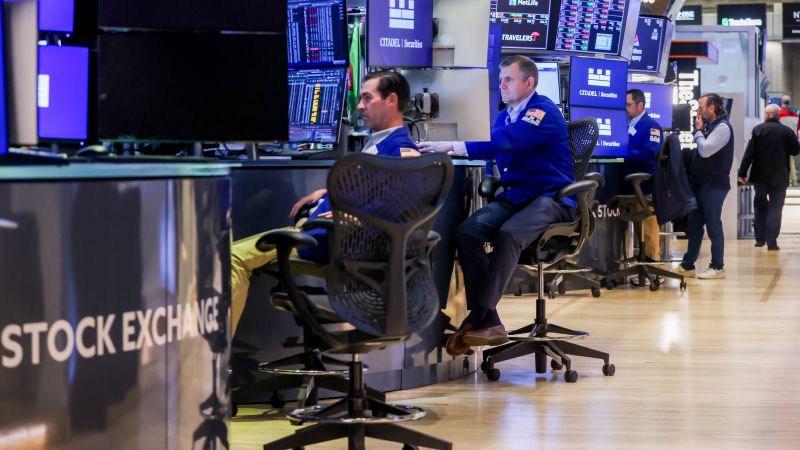
A significant market sell-off occurred following the release of strong job growth data, which heightened expectations that the Federal Reserve may raise interest rates this year. The Nasdaq Composite experienced a sharp drop of 3.7%, marking its worst day of the year as artificial intelligence (AI) stocks faced heavy losses. Concurrently, the S&P 500 index declined by 2.2%, ending a nine-week streak of gains and poised for its most significant loss since October.
The Dow Jones Industrial Average, less influenced by the tech sector, fell 510 points, equating to a 1% decline. This bout of volatility in the S&P 500 came as investors reacted to the prospect of rate hikes and took profits from recent upswings in stock prices.
According to data from the Bureau of Labor Statistics, the U.S. economy added 172,000 jobs in May, surpassing expectations. This robust employment growth is coupled with rising inflation trends, exacerbated by increasing oil prices linked to geopolitical tensions, particularly the ongoing conflict with Iran. These developments nudged market traders to anticipate a 43% probability of a rate hike by December, a notable increase from 26% just a month ago.
James McCann, a senior economist for investment strategy at Edward Jones, noted in a report that the strong employment data reaffirmed that a reduction in rates was unlikely for the remainder of the year, fueling concerns that the next move from the Fed could be an increase.
In the bond market, yields surged, with the yield on the 10-year U.S. Treasury note rising to 4.54%. This uptick in yields generally puts pressure on stock prices, as rising borrowing costs can stifle corporate investments and consumer spending. Following a strong performance in previous weeks, the Nasdaq faced its third consecutive day of losses, heavily affected by a downturn in semiconductor stocks, with a popular exchange-traded fund tracking memory chips dropping over 13%.
Tech stocks continued their downward trajectory, particularly following a more than 6% drop in Meta, which is reportedly looking to raise equity to fund its AI initiatives. The sell-off extended into the cryptocurrency market, where Bitcoin fell more than 5%, trading just above $60,000 and hovering near its lowest levels in nearly a year. The cryptocurrency has dropped over 17% in the week due to a report that a key industry player sold Bitcoin for the first time since 2022, and its value has plummeted more than 50% since reaching a peak in late 2024.
Gold prices slid over 3%, erasing earlier gains this year, as higher interest rates often diminish the appeal of non-yielding assets like gold. McCann from Edward Jones highlighted that any potential rate hikes by the Fed would require clear indicators of persistent inflationary pressures.
With sentiment wavering, CNN’s Fear and Greed Index shifted from “greed” back to “neutral,” as the index had been in “greed” territory since mid-April. This change reflects investor uncertainty amidst fluctuating economic indicators.
Meanwhile, oil prices declined, with Brent crude futures falling by 2% to just above $93 a barrel, and U.S. crude futures dropping by 2.8% to around $90. Historically, Treasury yields have fluctuated in tandem with oil prices; however, Friday’s movement diverged as yields increased despite falling oil costs, indicating that traders are prioritizing the impacts of solid job data and associated inflation concerns.
Nigel Green, CEO of DeVere Group, assessed the situation, stating that the jobs report provides a compelling reason for the Federal Reserve to refrain from rate cuts. He emphasized that while a single report does not determine policy, its significance could alter market probabilities significantly, which was apparent in immediate investor reactions.