The Commodity Futures Trading Commission (C.F.T.C.) is undergoing a significant shift in its supervisory responsibilities, particularly in the rapidly evolving cryptocurrency sector. This change aligns with the Trump family’s increasing financial interests in this space, notably through their co-founding of World Liberty Financial, a firm that issues crypto tokens and stablecoins. Since its inception in 2024, World Liberty Financial has reportedly generated over a billion dollars in equity and cash for Trump. Moreover, his two oldest sons are involved in the cryptocurrency industry, co-founding American Bitcoin, a company dedicated to mining bitcoins and accumulating them in its treasury.
Pending Senate approval of the CLARITY Act would further amplify the C.F.T.C.’s mandate, granting it exclusive jurisdiction over “digital commodities,” which encompass major cryptocurrencies like Bitcoin, Ether, and Solana. In a recent post on Truth Social, Trump emphasized the importance of the U.S. maintaining its status as the “Crypto Capital of the World,” while expressing confidence in C.F.T.C. Chairman Mike Selig’s leadership.
The C.F.T.C. is currently navigating challenges on multiple fronts, including scrutiny from state regulators and media reports highlighting the agency’s weakened enforcement capabilities since Trump took office. A recent article from the Times reported substantial staff reductions and a significant decline in cryptocurrency enforcement activities attributed to political influences. An anonymous former senior official remarked on the unprecedented degree of political involvement affecting the C.F.T.C.
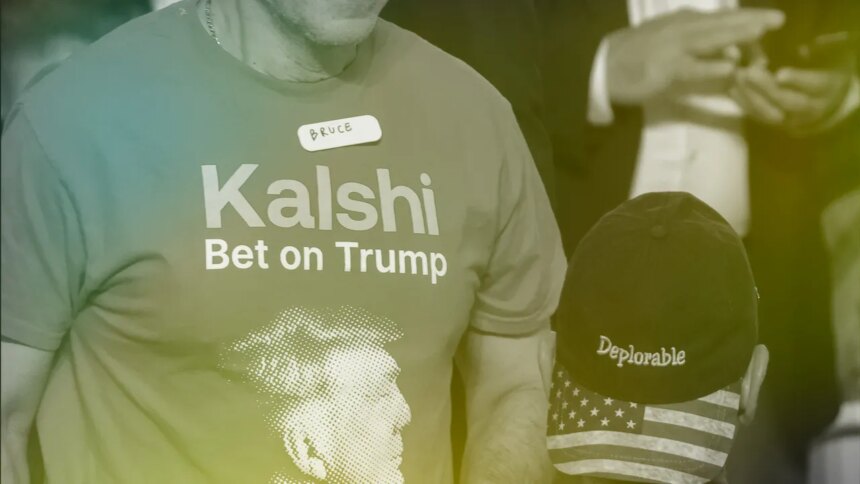
The agency is also engaged in a legal dispute with state authorities over the classification of “events contracts” on prediction platforms like Polymarket. The contention centers around whether these contracts, which allow users to bet on specific outcomes—such as sports events—should be regulated like traditional betting through entities like DraftKings or FanDuel. States argue that they should, while the Trump administration contends these are subject to C.F.T.C. oversight. Conflicting judicial rulings across various jurisdictions have led to expectations that the issue may ultimately reach the Supreme Court, with analysts suggesting that the states might strengthen their position given their historical role in regulating sports betting.
Complicating matters, recent developments at the C.F.T.C. raise concerns of regulatory capture, where the agency appears to prioritize the interests of certain influential stakeholders. The Biden Administration previously critiqued the operation of prediction markets, with the C.F.T.C. imposing a $1.4 million penalty on Polymarket in 2022 for running an unregistered contract market. Following investigations into whether Polymarket violated this agreement, including an F.B.I. raid on its founder’s apartment, the C.F.T.C. shifted its approach after Trump’s election, closing the investigation without charges in July. Shortly after, Polymarket revealed a strategic investment from 1789 Capital, coinciding with Trump Jr. joining its advisory board.
Despite some career officials within the C.F.T.C. attempting to uphold regulatory integrity, their independence has come under threat, with reports indicating certain enforcement division officials were purged after raising concerns about Polymarket’s measures against fraud. As regulatory tensions escalate, the C.F.T.C. faces the ongoing challenge of balancing industry innovation with effective oversight.