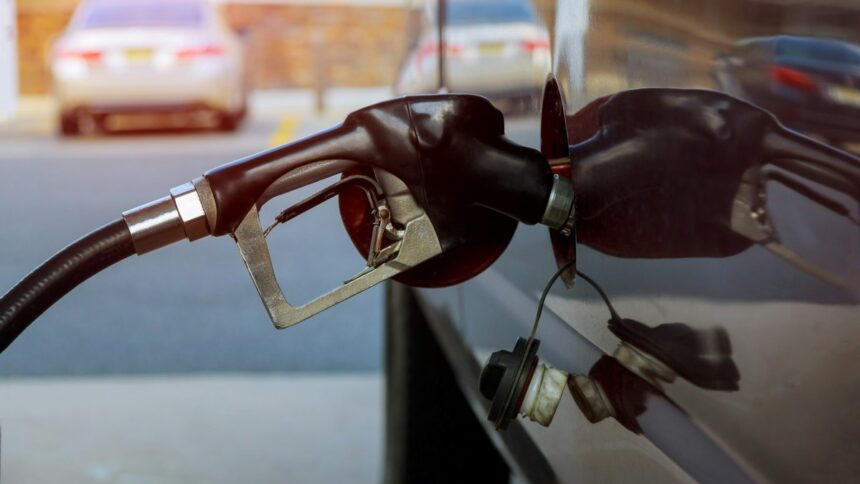
California has become the first state in the U.S. to see its average gasoline price exceed $6 per gallon, marking a significant milestone reminiscent of market disruptions during the Iran war. This surge has positioned gasoline prices as a notable concern for the political landscape, especially with the midterm elections approaching in November.
The jump in gasoline prices is tied to a rise in the U.S. benchmark crude price, West Texas Intermediate (WTI), which reached $106 per barrel during Asian trading hours on Thursday. This uptick in crude oil prices has followed fears of a prolonged U.S. blockade around the strategically critical Strait of Hormuz, coupled with reports suggesting potential escalation in ongoing conflicts.
When the current conflict began, California’s average gasoline price stood at $4.64 per gallon. As of now, that figure has climbed to $6.01, according to data from the American Automobile Association (AAA). Comparatively, the average retail price for a gallon of gasoline across the U.S. has risen to $4.30, up from $3.99 just a month ago and significantly higher than the $3.18 recorded a year prior. This increase places the current U.S. gasoline price at its highest point since July 2022.
Patrick De Haan, Head of Petroleum Analysis at GasBuddy, reports that prices have surged by approximately 28% since the onset of the conflict in Iran, coinciding with the closure of the Strait of Hormuz. Historically, California has seen higher prices than the national average. The record for the state stood at $6.438 per gallon, reached in June 2022 amid the previous surge triggered by the early stages of the Russian invasion of Ukraine. The nationwide record for a gallon of regular gasoline was also set in June 2022, peaking at $5.016 on June 14.
While the current gasoline prices have not yet eclipsed the peaks observed in 2022, the rapid increase reflects tightening global oil and fuel supply. Gasoline prices in the U.S. are heavily influenced by global market dynamics, with crude prices being a dominant factor in gasoline pricing. As these trends continue, consumers and policymakers alike are bracing for the economic implications of rising fuel costs.