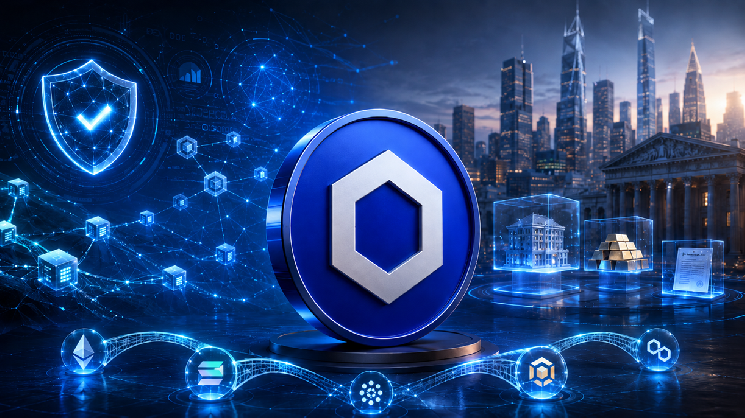
Chainlink’s Runtime Environment has been chosen as the orchestration middleware for DTCC’s upcoming Collateral AppChain, a development that highlights the evolving landscape of institutional finance. This initiative is set to launch in the fourth quarter of 2026 and signifies a strategic integration within the traditional financial ecosystem rather than a displacing of legacy systems. Alongside this, Chainlink infrastructure is also pivotal to Project Pangea, which aims to enhance foreign exchange settlement processes among 50 banks.
The selection of Chainlink’s CRE as middleware is notable not merely for its immediate implications, but for the broader narrative it contributes to within the crypto market. It provides market participants with a measure to assess whether current developments in the crypto space are the result of authentic network adoption, regulatory advancements, shifts in liquidity, or merely short-term speculative movements.
As the crypto market struggles to find a clear direction, this development is particularly relevant. Bitcoin continues to serve as a sentiment anchor, while altcoins are increasingly evaluated based on their own fundamentals, including usage metrics, liquidity, compliance issues, and developmental progress. This means that the implications of the Chainlink and DTCC collaboration extend beyond the interests of a single token or company; it has the potential to influence how investors perceive Chainlink, $LINK, DTCC, and the broader traditional finance sector in the weeks ahead.
However, the true impact of this story hinges on whether it can maintain momentum beyond the initial headlines. Historically, crypto markets tend to react quickly to news, often differentiating between lasting change and transient excitement only after the fact. Therefore, the specifics of this situation are critical: asserting that SWIFT or DTCC is outright replacing existing systems with Chainlink would be misleading.
Market observers are now poised to look for further confirmations from primary sources or official announcements that would either solidify or diminish the narrative surrounding this selection. Key indicators could include follow-up disclosures, on-chain data analytics, and governance updates that provide additional context.
Liquidity dynamics in the market are also crucial to watch. Even significant developments can fail to influence price movements if market participants remain conservative or if capital flows shift to other sectors. Thus, it becomes essential to view the Chainlink and DTCC partnership in conjunction with broader market trends rather than in isolation. The developments in question could shape investor sentiment and evaluation processes for related entities, and much will depend on the unfolding responses from the market.