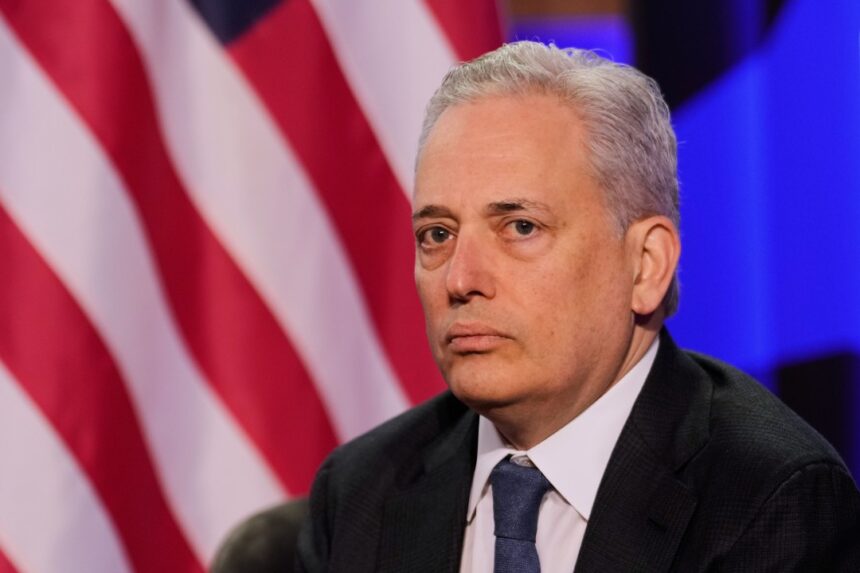
Venture capitalist David Sacks is transitioning from his role as the “AI and Crypto Czar” to a broader advisory position within President Trump’s administration. He announced to Bloomberg on Thursday that he has reached the limit of 130 days he was permitted to serve as a special government employee. Sacks will now take on the role of co-chair of the President’s Council of Advisers on Science & Technology. This group consists of experts from both industry and academia, tasked with providing evidence-based guidance on matters of science, technology, and innovation policy.
Recent additions to the advisory council include high-profile figures such as billionaires Mark Zuckerberg, Larry Ellison, and Jensen Huang. Sacks has been an influential presence in shaping Trump’s technology agenda, maintaining a direct line of communication with the president. He has expressed his intention to continue advocating for the administration’s newly released AI policy framework in his new role.
In previous discussions, Sacks underscored the administration’s goals of expediting permitting and power generation processes for companies, which aim to facilitate rapid infrastructure development while keeping household electricity costs in check. A White House memo earlier this year revealed that Sacks had divested over $200 million in digital asset-related investments to clear the way for his government service, allowing him to focus on strategizing the administration’s policies on AI and cryptocurrency.
Sacks’ departure from the AI czar position follows a notable comment he made earlier this month, suggesting that the U.S. should “declare victory and get out” of the ongoing conflict in Iran. This statement was highlighted by Reuters as a rare call from a Trump administration member to withdraw from the conflict. Sacks warned that prolonged involvement could exacerbate instability in the Middle East.
Downplaying the controversy surrounding his comments, Sacks remarked that his viewpoint is consistent with the president’s own statements regarding the desire to conclude the war. He noted that Trump has mentioned the objectives of the U.S. in the region are nearly fulfilled and added that future decisions would rest with the president and the foreign policy team.