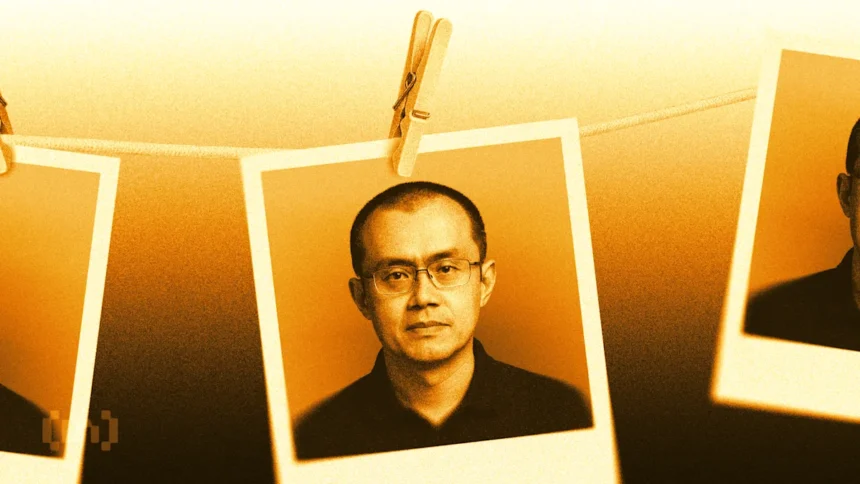
In a recent discussion on the Galaxy Brains podcast, Binance founder Changpeng Zhao (commonly known as CZ) sparked a significant conversation regarding dormant Bitcoin assets. He proposed the possibility of freezing Satoshi Nakamoto’s Bitcoin, as well as other coins at risk from quantum vulnerabilities, if they remain inactive following an anticipated network upgrade. It’s important to clarify that this was presented as a question for community consideration rather than an immediate personal agenda.
During his conversation with Alex Thorn, the head of Galaxy Research, CZ responded to growing concerns about quantum computing’s potential impact on cryptocurrency security. In March, Google Quantum AI released research indicating that it might be possible to breach the cryptographic protections securing digital signatures, with estimates suggesting that an attack could require less than 500,000 qubits and could be executed in mere minutes. This presents a significant risk, particularly for exposed public keys, as a quantum computer could theoretically deduce private keys from these public keys, allowing unauthorized access to the wallets they protect.
To address these vulnerabilities, experts propose the integration of quantum-resistant cryptography, but widespread adoption would involve extensive coordination across the Bitcoin network and potentially take several years. As of March, it was noted that over a third of all Bitcoin had public keys exposed on-chain, exposing them to potential quantum theft. Notably, Nakamoto mined an estimated 1.1 million BTC between 2009 and 2010, a figure derived from a pattern recognized by researcher Sergio Demian Lerner. At current market valuations, this stash is worth roughly $70 billion.
CZ emphasized that he did not advocate for an outright seizure of Satoshi’s assets nor did he indicate that Binance would take such actions. Instead, he encouraged the community to contemplate setting a timeline of roughly one year during which these vulnerable coins could be identified and subsequently locked through a future blockchain fork, should they remain unmoved.
He clarified misconceptions that he intended to act unilaterally to freeze Satoshi’s address, pointing out the complexities involved in differentiating Satoshi’s wallets from those of other early miners. CZ has previously urged a measured response to quantum risks, aligning his thoughts with BIP-361. This proposal, put forth by Jameson Lopp and other researchers, suggests blocking transactions to vulnerable addresses about three years after activation, before subsequently voiding legacy signatures two years later.
The authors of the proposal present a stark choice: either a quantum thief could capture the exposed coins, or miners could incrementally retrieve them, with a third option being to lock them, preventing any party from benefiting. This line of reasoning interestingly echoes sentiment from Bitcoin’s creator, who had stated, “Lost coins only make everyone else’s coins worth slightly more. Think of it as a donation to everyone.”
In an additional layer of contention, an ongoing lawsuit in New York raises questions about the status of dormant coins, with an anonymous plaintiff and two Wyoming LLCs involved in disputes over abandoned-property claims. The future of these assets remains a topic of vibrant debate within the community as the landscape continues to evolve.