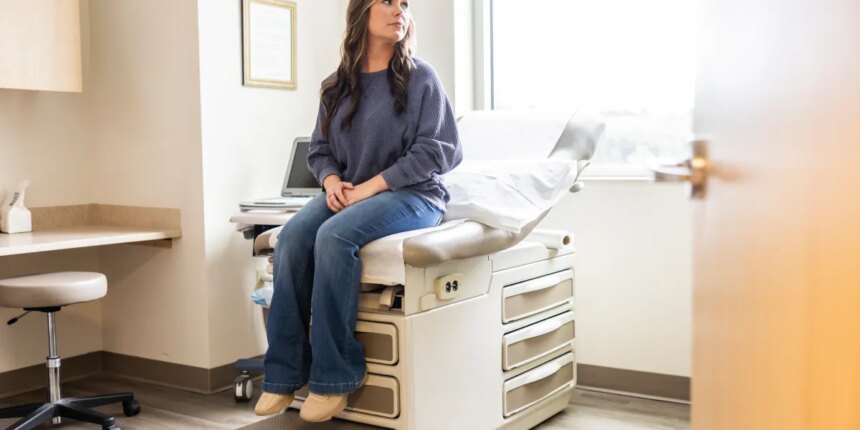
Twannetta Weaver believed she had made a pragmatic decision when she opted for a high-deductible health insurance plan offered by her employer. This choice not only saved her from the burden of high premiums but also enabled her to focus on her retirement savings. However, her circumstances took a drastic turn in 2025 when she slipped a disk in her back, resulting in a torrent of medical bills comprising medication and physical therapy expenses. This unforeseen situation forced Weaver, an adult learner pursuing a leadership degree, to postpone her graduation by an entire year.
“I had to start calculating, am I going to be able to afford to pay my tuition, as well as my books, as well as my living expenses, and continue to care for my family?” the 43-year-old from Sanford, Florida, expressed in a recent interview. “It makes you feel powerless as a consumer.” Her experience reflects a growing trend among Americans grappling with healthcare costs, as recently highlighted by data from the West Health-Gallup Affordability Index. The report reveals that only about half of U.S. adults accessed quality healthcare and could afford it last year.
With rising costs dominating the conversation ahead of the midterm elections, anxiety surrounding healthcare affordability has reached unprecedented levels. The findings, released Thursday, stem from surveys conducted from October to December 2025, just before significant health policy changes were enacted, including Medicaid cuts and a failure to extend Affordable Care Act subsidies. These changes further complicate an already strained healthcare landscape.
New survey data categorizes U.S. adults into three groups based on their healthcare access and financial capabilities. The latest results indicate that only 49% of U.S. adults now fall into the “cost secure” category—meaning they have access to affordable, high-quality care. This figure has seen a decline from 56% in 2021 and peaked at 61% in 2022, emphasizing an ongoing downward trend.
About 75% of respondents reported that healthcare costs posed a “major” or “minor” financial burden. Alarmingly, nearly half expressed “extreme” or “concerned” feelings about their ability to afford necessary healthcare services in 2026, a stark increase from 42% in 2022.
Inger Perez, 59, from Encino, Texas, is among those in distress. With a family history of chronic illnesses like diabetes and cancer, she recently underwent blood work but now grapples with anxiety over the potential costs of a required treatment plan. “I literally was crying last night because I’m nervous about what I’m going to find out and how much care that is and how much money that is,” she shared. For Perez, the added struggle of accessing quality care due to her rural location complicates her already anxious situation.
The survey data further indicates that younger adults, women, and older Americans have all experienced a decline in healthcare affordability. Among those under 30, only one-third are considered “cost secure,” down significantly from 46% in 2021. Women particularly feel the impact of rising costs, with only 42% categorized as “cost secure” compared to 57% of men.
Many respondents have had to make sacrifices to cope with healthcare expenses. Approximately 20% reported being unable to afford prescribed medications, while 30% refrained from seeking necessary medical treatment due to costs. Xavier Chapa, a 55-year-old father from Arizona, shared the burden his family faces after his wife encountered obstacles with her insurance over a preventive colonoscopy. Despite prior assurances, the insurance company refused to cover the procedure, leaving the family staring down a $3,000 bill. The financial strain has forced them to downgrade their 8-year-old son’s summer camp experience.
“It’s a lot to deal with,” Chapa lamented. “What point does it serve if you’re living in this country and having to pay such a high price and you can’t get some of the basic things?”
As the landscape of healthcare costs continues to evolve, these findings underscore the urgent need for solutions. The West Health-Gallup poll surveyed 5,660 adults, with a margin of error of plus or minus 2.1 percentage points, shedding light on the troubling trends surrounding healthcare accessibility and affordability in the United States.