In a groundbreaking preliminary study, researchers have reported that an innovative gene-editing treatment has dramatically lowered cholesterol levels in patients with genetically high levels of LDL cholesterol, potentially offering a long-term solution after just a single infusion. The findings, published in The New England Journal of Medicine, suggest that if confirmed in larger trials, this treatment could revolutionize how heart disease is approached, particularly given that cardiovascular disease claims nearly 800,000 lives in the United States each year.
The study, which is part of a trial involving up to 85 participants, focuses on patients who either have high levels of LDL cholesterol or existing heart disease. In a sample of 35 patients, those who received the highest dosage of the experimental treatment experienced a reduction of LDL cholesterol levels by as much as 62 percent, with sustained improvements observed in some participants treated 18 months prior to the report. A larger study involving 200 patients is planned to further explore the treatment’s efficacy.
Dr. John H. P. Alexander, a cardiologist at Duke University, noted the significance of seeing a potential curative therapy for a leading cause of death. The study’s interim results have garnered attention for their ambitious aim of applying cutting-edge gene therapy techniques to cardiovascular health, a departure from traditional gene therapies that typically target rarer diseases.
Despite the promising results, experts stress the need for extensive safety evaluations. Dr. J. Michael Gaziano from the Boston V.A. health care system highlighted that according to FDA regulations, patients in gene therapy studies must be monitored for a minimum of 15 years.
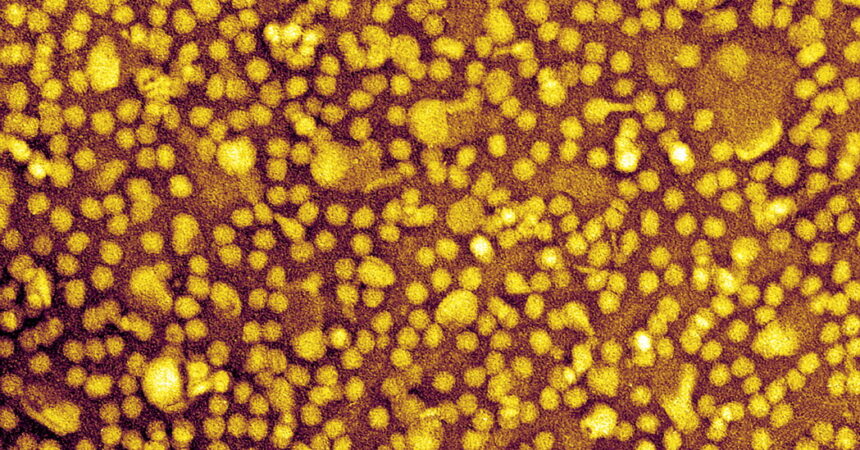
The treatment involves an infusion containing a gene editing mechanism encased in fat-coated particles, which navigate through the bloodstream directly to the liver. Upon reaching liver cells, the editing machine targets a specific gene called PCSK9, where it alters a single DNA letter, effectively preventing the production of the PCSK9 protein. This modification allows the liver to remove more LDL cholesterol from the bloodstream, thus reducing cholesterol levels.
Dr. Sekar Kathiresan, the primary investigator and CEO of Verve Therapeutics, emphasized his personal motivations for pursuing this treatment, rooted in his family’s history of heart disease. He noted the broader goal of making such a treatment accessible and integrative within primary care.
Current treatments for high LDL levels typically involve statins and newer injectable drugs targeting the PCSK9 protein, but adherence to these medications remains a challenge. Studies suggest that between one-third and half of patients discontinue cholesterol-lowering medications within a year, even those who have suffered heart attacks.
Patients like Kristy Faulkner, who experienced a heart attack at 42 and remains hesitant about taking daily medications, represent those who could benefit from a one-time gene-editing solution. Her cardiologist, Dr. Erica Spatz, also expressed optimism about the treatment’s potential to change lives.
Similarly, Alice Thomas, a 64-year-old from North Carolina, shared her struggles with medication access due to financial limitations and intolerances. After receiving the infusion, her cholesterol levels dramatically dropped from dangerously high levels to 50, leading her to describe the outcome as transformative.
As researchers prepare for subsequent trials, the focus remains on ensuring the treatment’s safety and effectiveness. If successful, this gene-editing therapy could mark a pivotal shift in the landscape of heart disease prevention and treatment, offering hope to millions at risk.