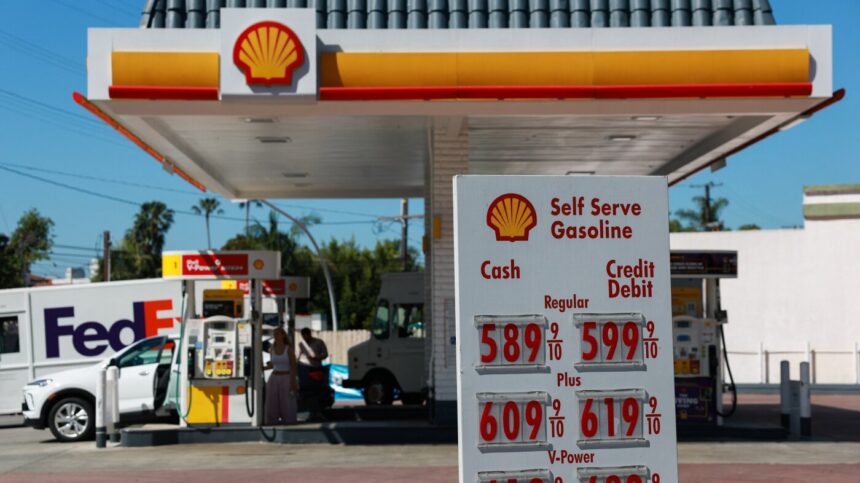
Gasoline prices have experienced significant fluctuations recently, particularly following developments related to the Iran conflict. As of now, the rising tensions have led to an increase in the nationwide average price of gasoline, which has surpassed $4 a gallon. Experts attribute this spike to increasing crude oil prices, which reached above $110 at one point during the conflict.
However, a recent announcement from Iran declaring the Strait of Hormuz open for commercial traffic has resulted in a sharp decline in oil prices. Brent crude, the global benchmark, has dropped to approximately $90 per barrel, down more than $10 from the previous week. U.S. crude prices are now under $85 a barrel. Patrick De Haan, chief petroleum analyst at GasBuddy, indicated that if these prices stabilize, consumers could soon see gasoline prices at the pump decrease. He suggested a potential drop to below $4, possibly reaching between $3.65 and $3.85 per gallon within the next couple of weeks.
It is important to note that there is often a lag between the drop in crude oil prices and a corresponding reduction in gasoline prices. Gas stations usually take time to recover costs incurred from purchasing fuel at elevated prices. Despite this delay, De Haan observed quick adjustments in wholesale gasoline markets, providing a sign of immediate relief for consumers.
However, the landscape remains volatile. While current oil prices are dipping, they still stand higher than pre-war levels, which were around $60 per barrel. The ongoing situation in the Middle East leaves the market susceptible to further disruptions that could cause prices to surge again.
Addressing the potential for future price reductions, De Haan mentioned that by Labor Day, approximately half of the recent price hikes may reverse, but reaching an average gasoline price below $3 will likely take longer. He estimated this normalization process could extend into late this year or even early next year due to various factors, including damage to oil and gas facilities in the region, which could cost an estimated $50 billion to repair.
Returning to full operational capacity poses challenges, as facilities are not designed for rapid start-up and may require weeks to resume production. Additionally, once production restarts, transporting crude oil and fuels abroad typically involves weeks of travel by tanker.
Industry experts assert that while the reopening of the Strait of Hormuz might ease the immediate pressure on oil markets, it does not signify a complete resolution of the situation. Angie Gildea, head of oil and gas at KPMG, emphasized that damage to infrastructure and delayed production could lead to persistent price impacts for months, even if immediate geopolitical threats diminish.