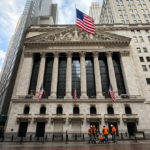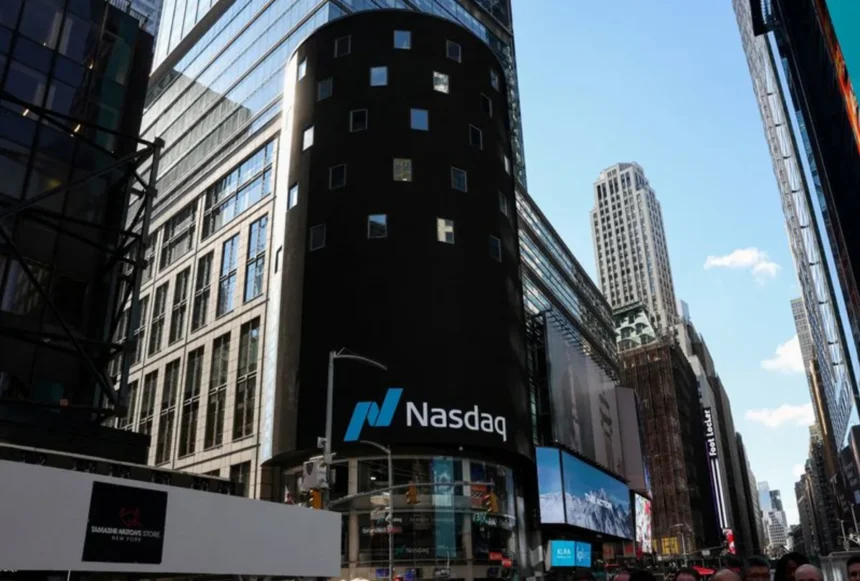
Futures tied to the tech-heavy Nasdaq composite witnessed a significant decline of over 2% on Tuesday, leading the downward trend among Wall Street futures. The dip is attributed to growing concerns surrounding imminent U.S. interest rate hikes and the debt-financed corporate spending focused on artificial intelligence (AI), which is dampening overall investor sentiment.
Global stock markets, including those in Europe and Asia, reflected this bearish outlook, following a considerable selloff observed on Wall Street during the previous trading session. Alongside stock losses, prices for crude oil and precious metals also fell, indicating a more widespread market malaise.
Stocks linked to artificial intelligence have been particularly vulnerable, with investors fretting over inflated valuations that are becoming unsustainable amid rising borrowing costs. Major tech companies faced significant pressure in premarket trading; shares of Nvidia and Alphabet were down nearly 3% each, while notable chipmakers Intel, Marvell Technology, and Advanced Micro Devices saw their stock prices drop between 5.5% and 7.5%.
Additionally, shares of SpaceX, led by Elon Musk, fell by 4.5%. The aerospace manufacturer recently entered the bond market for funding following a successful IPO earlier this month, despite having reported net losses in the previous year. Ipek Ozkardeskaya, a senior market analyst at Swissquote Bank, commented, “SpaceX is not yet part of the Nasdaq indexes, but its decision to join the bond market for funding excessive AI and infrastructure spending revives concerns that Big Tech may be overspending on AI infrastructure, increasingly relying on debt for such investments.”
As of early trading, Dow E-minis were down by 318 points (0.61%), S&P 500 E-minis fell by 109.25 points (1.45%), and Nasdaq 100 E-minis dropped by 824.25 points (2.69%). Futures linked to the rate-sensitive Russell 2000 Index declined by 1.7%, contributing to a rise in the CBOE Volatility Index, often viewed as Wall Street’s barometer of fear, which reached an over one-week high.
Market traders are anticipating that the U.S. Federal Reserve will opt to raise borrowing costs by a cumulative 50 basis points by the end of December, marking an increase from prior expectations of a 25-basis-point hike a mere two weeks ago. This shift in outlook is largely influenced by the Fed’s new chair, Kevin Warsh, and the prevailing hawkish stance on monetary policy. The yield on the short-term 2-year Treasury note dipped about 4 basis points to 4.19%, having touched its highest levels since February 2025 in the previous session.
Concerns regarding the lofty valuations associated with AI-related stocks resurfaced after a substantial rally earlier in the quarter, which followed a ceasefire in the Middle East. Notably, the Philadelphia SE Semiconductor Index had reached a record high just the day before. However, investors witnessed substantial losses in semiconductor companies, with Micron shares plummeting 8.6%, while Sandisk and Western Digital sank approximately 9.6% and 6.6%, respectively.
Eyes are also fixed on geopolitical developments, particularly in the Middle East. The U.S. recently waived sanctions on Iran for a duration of 60 days following initial talks aimed at a peace deal. U.S. President Donald Trump has warned that he will “do what I have to do” should Iran fail to adhere to the agreements.
The trading day ahead will draw attention to several private surveys concerning June business activity, culminating in the widely monitored Personal Consumption Expenditures Index, which is the Federal Reserve’s preferred inflation measure, set to be released on Friday. Economists predict that this price index will reflect growth of about 4.1%, more than double the central bank’s target.