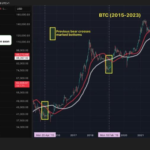
Concerns over the escalating US debt and budget deficits may act as a catalyst for a new Bitcoin rally, according to insights from Robert Mitchnick, a managing director at BlackRock. In a recent interview, Mitchnick articulated that the forthcoming moves in Bitcoin’s price might be more closely connected to increasing fears regarding government borrowing and fiscal spending than to developments within the cryptocurrency sector itself.
As Bitcoin hovers around the $64,500 mark, the looming 2026 midterm elections are anticipated to rejuvenate discussions surrounding fiscal responsibility and the sustainability of public debt. Mitchnick’s observations align with a growing institutional narrative that positions Bitcoin as a potential hedge against the inflationary policies and excessive spending typical of government action, reminiscent of traditional safe havens like gold.
The ongoing interest in artificial intelligence (AI) has overshadowed Bitcoin’s recent performance. Mitchnick noted that a significant influx of capital into AI-related ventures has diverted investor attention away from cryptocurrencies and other alternative assets. This trend has been marked by high-profile AI investments attracting billions, impacting Bitcoin, gold, and other traditional inflation hedges.
Acknowledging the current market dynamics, the BlackRock executive emphasized that despite recent struggles for Bitcoin—which he referred to as a “tough stretch” since last October—the fundamental reasons for Bitcoin’s appeal have not vanished. He predicts these factors may resurface as pivotal themes in the upcoming year.
Mitchnick pointed to the deteriorating fiscal landscape of the United States as a primary driver that could revitalize Bitcoin’s growth trajectory. With multi-trillion-dollar deficits and a burgeoning national debt becoming increasingly contentious in Washington, the conversations surrounding government spending are expected to intensify as lawmakers gear up for another election cycle.
He stated, “If we start to see US debt levels and the deficit situation come back into focus, we’ll probably see a renewal of momentum.” The implications of fiscal debates in the political realm, particularly as they relate to the upcoming midterms, could bring heightened scrutiny on long-term fiscal sustainability and reignite fears regarding government borrowing.
These concerns bolster Bitcoin’s perceived value as an alternative monetary system, particularly due to its capped supply of 21 million coins, which positions it as a safeguard against the risks of excessive money printing by governments—an attribute that many investors find appealing.
While acknowledging the importance of Federal Reserve interest rate policies, Mitchnick underscored that fiscal conditions may wield a more profound influence on Bitcoin’s long-term future. “The fiscal situation is very much the most important driver that we’re going to see in the next year or so alongside what’s going to happen with interest rates,” he asserted.
He concluded by reiterating the importance of fears surrounding rising borrowing levels and potential for excessive money printing as cornerstones of Bitcoin’s investment rationale.