A significant development in the ongoing conflict between Israel and Lebanon has emerged, as President Trump announced a 10-day ceasefire agreement between the two nations. In a post on Truth Social, the president mentioned that he had engaged in “excellent conversations” with Lebanese President Joseph Aoun and Israeli Prime Minister Bibi Netanyahu. He emphasized that both leaders recognized the need for peace and agreed to formally commence the ceasefire at 5 P.M. Eastern Standard Time.
This ceasefire takes place amid Israel’s military operations in Lebanon, specifically against Hezbollah, the Iran-backed group that has been a focal point of tension. Prime Minister Netanyahu’s intent to launch a campaign in Lebanon shortly after the onset of the Iran conflict has complicated the potential for a broader ceasefire agreement involving Iran. The Israeli military’s actions in Lebanon have consistently been a point of contention in discussions aimed at achieving a cessation of hostilities.
Iran has explicitly declared that any ceasefire must include an end to Israeli military actions in Lebanon. Mohammad Bagher Ghalibaf, the speaker of Iran’s parliament, stated on X that the United States “must commit” to ensuring a comprehensive and conclusive ceasefire in Lebanon. However, the US has maintained that Lebanon should not be considered part of ceasefire negotiations with Iran, creating a disconnect between the positions of the involved parties.
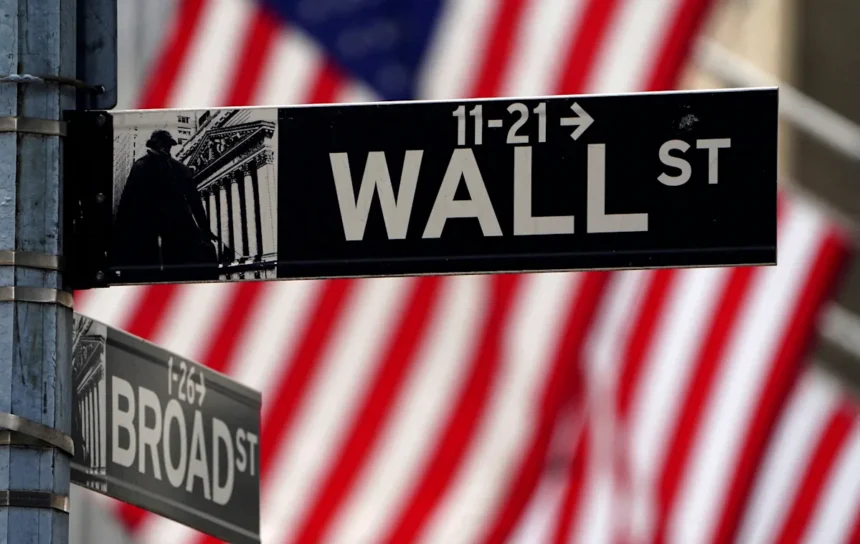
In the backdrop of these geopolitical discussions, the oil market reacted with upward movement. International benchmark Brent crude rose by 3.4%, while US benchmark West Texas Intermediate saw an increase of 2.3%. This volatility in crude oil prices reflects market responses to heightened tensions and the potential for conflict escalation in the region.
As the ceasefire approaches, the world watches closely, hopeful that this temporary truce might serve as a stepping stone towards a more permanent resolution.