In a recent discussion, Jim Cramer from CNBC provided insights into the shifting dynamics of Wall Street’s approach to the artificial intelligence market. He highlighted a noticeable pattern where tech firms delivering high-demand products are being rewarded, while those investing heavily in AI initiatives are facing scrutiny.
This shift became evident in June when the collective market valuation of the “Magnificent Seven” tech giants—Apple, Alphabet (Google’s parent company), Amazon, Microsoft, Meta, Nvidia, and Tesla—plummeted by approximately $2.3 trillion. Investors are increasingly questioning whether the substantial investments these companies are making in AI will yield sufficient earnings and free cash flow to justify those costs.
Cramer pointed out that major players like Amazon, Alphabet, Microsoft, and Meta, which are leading spenders on AI data centers, have inadvertently become victims of their ambitions. Although these firms possess the financial wherewithal to invest billions into AI, a surge in demand for computing infrastructure has surpassed supply. This situation has escalated the costs of essential components, including memory chips and networking equipment.
Consequently, Cramer remarked that the financial ecosystem is currently favoring the firms that produce these critical components over those bearing the brunt of the AI expenses. He underscored that the market winners are those producing goods in short supply, noting tremendous demand for their products.
Nvidia was highlighted as a primary supplier of AI computing resources, yet Cramer indicated that its stock has fallen behind due to rising concerns regarding competition in customized chip production. In contrast, he pointed out memory chip manufacturers like Micron and Sandisk, along with Intel, Marvell Technology, and AMD, as some of the notable beneficiaries during the second quarter. This success is attributed to the ongoing supply-demand imbalance, which has led to impressive earnings growth and a steady stream of favorable analyst upgrades and price target increases.
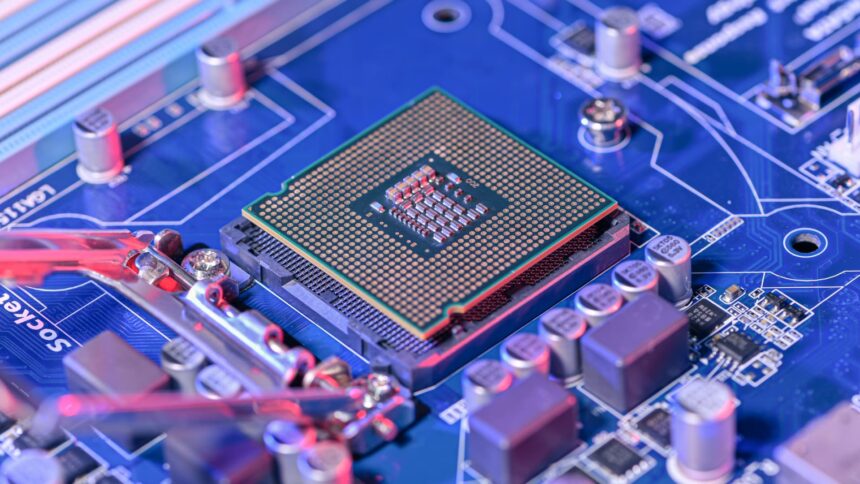
Cramer identified Intel as his top pick among the current crop of stocks. He praised CEO Lip-Bu Tan for revitalizing the company and stated that Intel is strategically positioned to benefit from the increasing demand for CPUs, advanced chip packaging, and domestic semiconductor manufacturing. Cramer’s charitable trust, managed by CNBC’s Investing Club, includes shares of Intel, which he dubbed a “national treasure.”
While he acknowledged that the club continues to hold shares in six of the Magnificent Seven—Tesla being the exception—Cramer maintained that suppliers are likely to keep benefiting as long as the demand for AI infrastructure exceeds supply. He acknowledged the perceived unfairness of the current market dynamics but emphasized that “the market has spoken,” leaving uncertainty regarding its future trajectory.