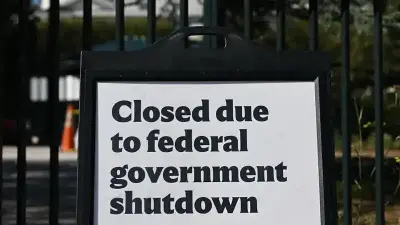
The longest government shutdown in U.S. history is nearing its conclusion after a 40-day hiatus sparked by intense budget negotiations. The closures stemmed from an impasse between Republicans and Democrats regarding the federal fiscal budget after the expiration of the previous year’s budget on October 1.
In this peculiar aspect of the American political landscape, the shutdown has resulted in widespread repercussions, particularly affecting global financial markets, including the Nasdaq, cryptocurrency values, and even traditionally stable assets like U.S. Treasury bonds and gold. The urgency for a resolution was accentuated by the impending Thanksgiving holiday, leading to a significant breakthrough in Senate discussions. A recent meeting saw a coalition of moderate Democrats and Republican leaders reach an agreement, which appears to offer the framework for an impending budget plan capable of advancing through the necessary 60 votes in the Senate.
The contention at the heart of the shutdown revolved largely around healthcare spending. Democrats aimed to extend essential tax credits to assist millions with health insurance costs and reverse cuts to Medicaid enacted during the Trump administration. Conversely, Republicans pushed for reductions in overall health and government medical spending to manage the budgetary constraints.
The shutdown’s economic fallout has been likened to a hurricane, with significant consequences for various sectors. Affected areas included financing and business approvals, leading to delays in loan permits and halting company IPO reviews. The inability to sign off on approximately $800 million in federal contracts daily posed challenges for small businesses that rely heavily on government contracts. Analysts suggest that for every week the government remained shut down, economic growth declined by 0.1 to 0.2 percentage points, amounting to a potential weekly economic loss of around $15 billion. As the shutdown persisted, the impact on traditional consumer spending seasons in November and December became increasingly worrisome.
Financial markets exhibited volatility during the shutdown, especially for cryptocurrencies such as Bitcoin and Ethereum, which saw significant declines in value. Bitcoin dropped below the $100,000 mark for the first time in half a year, with long-term holders reportedly liquidating significant portions of their holdings, contributing to market liquidity issues.
As the recent agreement progresses, early signs of recovery in the stock market have emerged, correlating with the possible end of the government shutdown. The U.S. Treasury’s General Account (TGA) saw its balance significantly increase during the shutdown, evidencing a blockage in the normal financial cycle where inflows would typically circulate through federal expenditures. As a result, liquidity constraints have placed stress on interbank borrowing, evident in rising overnight lending rates.
While procedural steps still need to be addressed before the complete re-opening of the government is realized, favorable developments in the Senate could lead to a quicker resolution than anticipated. Observers remain hopeful that once the legislation is formally passed and signed, a return to normalcy could reinstate stability within the affected markets. Analysts suggest that this pending resolution could act as a vital turning point for the cryptocurrency market, potentially serving as an entry point for investors.