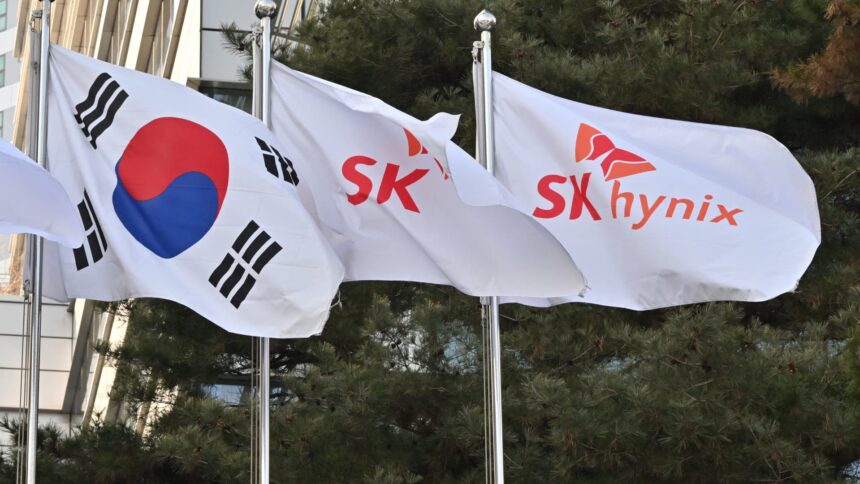
In recent months, memory-related stocks have seen remarkable performance, significantly impacting equity markets in both the U.S. and South Korea. Market analysts caution, however, that investors should remain mindful of the cyclical nature of the industry. The memory sector, particularly since the introduction of AI technologies like ChatGPT in December 2022, has experienced a notable uptick in demand for high-bandwidth memory (HBM) chips.
Leading firms such as Samsung and SK Hynix have witnessed their stock prices skyrocket—114% and 186% increases year-to-date, respectively. U.S.-based competitors Micron Technology and SanDisk have also recorded impressive gains, advancing 141% and 156% in 2026.
The underlying belief fueling this bullish sentiment is that the memory industry has overcome the cycles of volatility that have historically characterized it—periods of high demand followed by steep drops as supply struggles to keep pace. Industry executives assert that advancements in AI are reshaping the landscape, creating a more stable environment characterized by a structural supply shortage. This, they argue, could keep prices elevated for years to come.
Yet not everyone shares this optimistic outlook. William de Gale of BlueBox Asset Management remarked on the cyclical history of the memory sector, suggesting that arguments for its transformation into a long-term value-generating industry often precede downturns. He noted, “In the long run it’s a pretty dreadful industry,” cautioning investors against ignoring historical trends.
New technological advancements could complicate the current landscape further. For instance, Alphabet’s Google recently introduced TurboQuant, a compression method with the potential to drastically decrease the memory required to operate large language models by a factor of six. While such innovations aim to enhance AI model efficiency, they may also diminish the demand for the very memory chips that have driven recent market gains. Following the announcement of TurboQuant, shares of major memory providers experienced a swift decline.
Deutsche Bank analysts advised investors to prepare for ongoing disruptions stemming from AI-related developments, though they noted that the impact of TurboQuant on market dynamics remains uncertain. Additionally, Jon Cunliffe from JM Finn observed that production capacities could significantly increase over the next three years, potentially alleviating current supply constraints—especially if the demand for AI slows.
Current market valuations suggest a sustained period of high prices, with investors banking on companies maintaining discipline in their investment strategies and profit margins. However, Andrew Lapping from Ranmore Fund Management highlighted the inherent risks involved, calling into question the sustainability of such optimism in an industry known for average returns.
In South Korea, the dominance of Samsung and SK Hynix on the Kospi index has been significant, with these two firms accounting for over 50% of the index’s value. Some investment firms, like Nomura, continue to project strong growth for these companies in the next year, with anticipated price targets suggesting notable gains.
As the memory industry grapples with growth, innovation, and the cyclical nature of its market, investors are advised to approach the sector with caution, mindful of both historical trends and emerging technologies that could redefine demand.