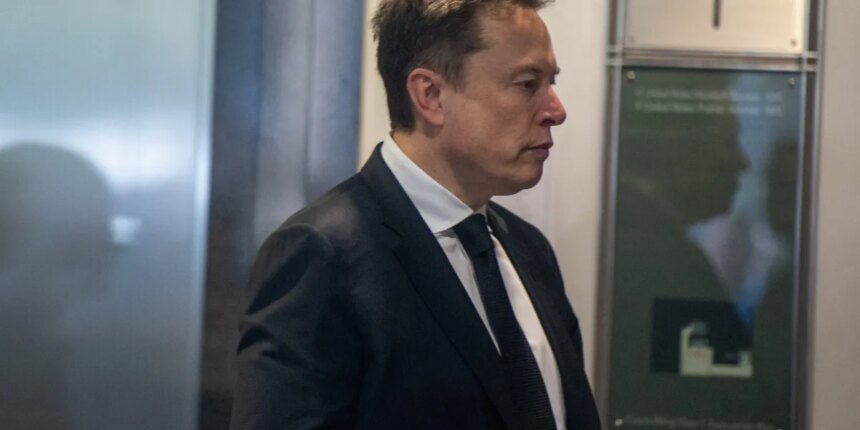
In a recent courtroom appearance, Elon Musk’s views on cryptocurrency came into sharp focus as he testified in a legal dispute with OpenAI, the artificial intelligence organization he co-founded. Musk stated that while certain cryptocurrencies hold value, he believes “most of them are scams.” This remark emerged during the trial in Oakland, where Musk was questioned about OpenAI’s past intentions to launch a cryptocurrency through an initial coin offering (ICO) in 2018.
The ICO concept allows cryptocurrency projects to sell tokens directly to the public to fund their initiatives. This funding approach gained immense popularity in the late 2010s but is often criticized for the number of projects that ultimately failed after raising large sums of money. Musk’s mention of this history underscored the turbulent nature of the cryptocurrency landscape.
The discussion surrounding the ICO arose amid Musk’s ongoing legal battle with OpenAI concerning what he alleges is a breach of their founding contract. He argues that the organization strayed from its initial charitable mission by entering into a significant partnership with Microsoft and commercializing its products. Musk referred to this shift as OpenAI having “stolen” a charity, reflecting his deep dissatisfaction with the company’s evolution.
In contrast, OpenAI contends that Musk was aware of the potential transition to a for-profit model. They emphasized that he endorsed the idea of fundraising through an ICO, which would have involved creating a for-profit subsidiary. This disagreement illustrates the complexities that can arise when a nonprofit organization pivots towards commercial interests.
Musk’s fluctuating stance on cryptocurrency has been notable over the years. He was once a prominent advocate for crypto during the market’s bullish phase, highlighted by Tesla’s decision to acquire $1.5 billion in Bitcoin in 2021, positioning the company as a trailblazer among publicly traded firms adopting cryptocurrency as part of their balance sheets. During that period, his tweets significantly impacted the value of Dogecoin, propelling the meme-based digital currency to new heights.
However, Musk’s relationship with cryptocurrency appears to have cooled. Tesla divested 75% of its Bitcoin holdings in mid-2022, which limited the company’s gains amid a subsequent price surge leading up to the election of President Donald Trump, when Bitcoin soared to remarkable values. Currently, Tesla holds 11,509 Bitcoin, recently marked down in value by $222 million, yet maintains a valuation of approximately $786 million according to regulatory filings. This remaining stash is still valued significantly higher than its original purchase price of $386 million in 2021.
As the trial continues, the eyes of the tech and cryptocurrency community remain fixed on Musk’s evolving perspective, as well as the broader implications for the future of OpenAI and the cryptocurrency space.