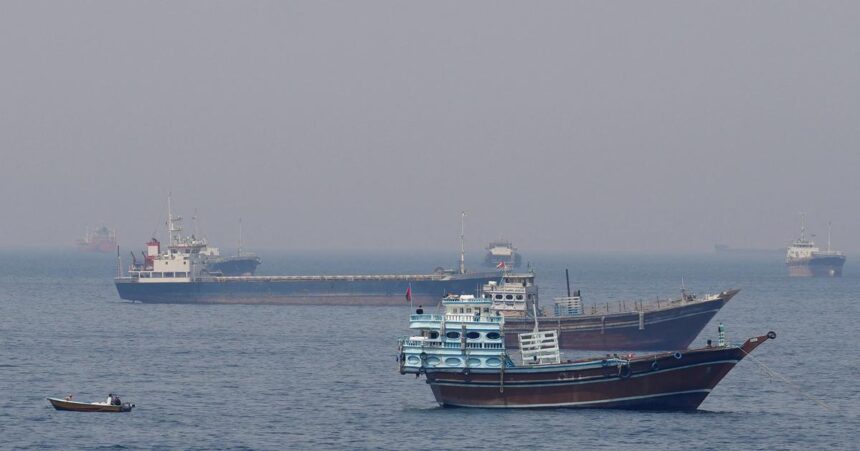
Since late February 2026, the ongoing conflict involving the United States, Israel, and Iran has intensified, leading to significant disruptions in the global economy, particularly concerning traffic through the strategic Strait of Hormuz. In an effort to address this escalating situation, a temporary ceasefire was facilitated through the mediation of Pakistan, resulting in direct talks between the U.S. and Iran in Islamabad.
The talks, which took place on April 11-12, were noteworthy for their duration of over 20 hours; however, they concluded without an immediate agreement. Despite this, both parties expressed their appreciation for Pakistan’s role, indicating a willingness to continue dialogue in preparation for a second round of discussions.
From the outset of the conflict, Pakistan has played a crucial role in facilitating communication between Washington and Tehran. Several Pakistani politicians have openly acknowledged that U.S. proposals were shared with Iran through Pakistan, as were Iran’s responses back to the United States. This turn of events was particularly significant given that traditional mediators in the Persian Gulf, such as Qatar, were facing their own security crises amid ongoing threats from Iran.
Hosting the negotiations in Islamabad, Pakistan undertook several practical measures. It created a secure environment conducive to discussions, delineated distinct tracks for the dialogue—covering topics such as the nuclear program, sanctions, frozen assets, the Strait of Hormuz, and regional security—and urged the establishment of a timeline for future rounds of talks.
While the initial discussions did not yield immediate results, Pakistan’s efforts post-talks indicate a commitment to keeping the mediation process active, even as it reached out to regional partners, including Saudi Arabia, Turkey, and Egypt, to garner broader support for the ceasefire and subsequent negotiations. This collaborative approach reduces the risk of interference from those opposed to a peaceful resolution.
The trust in Pakistan as a mediator stems less from moral authority and more from a combination of necessity, leverage, and strategic calculations. Having deep-rooted security ties with the United States, alongside pragmatic relations with Iran, Pakistan emerged as a viable intermediary. This dynamic influenced the decision-making process significantly; the Trump administration found Pakistan’s unique position—lacking direct influence over its Arab allies—advantageous.
For Iran, although there might be more powerful alternatives, the ongoing conflict has similarly constrained its options. Relationships with other nations have deteriorated, making Pakistani mediation one of the few available avenues for dialogue.
The military has also played a pivotal role in these diplomatic efforts. Pakistan’s army chief, Field Marshal Asim Munir, emerged as a critical figure in negotiations, facilitating communication and fostering trust between the parties. Historical experiences further cemented his position as a reliable intermediary, carrying significant weight in securing agreements that might merely political actors could not achieve. Prime Minister Shehbaz Sharif acknowledged Munir’s invaluable contribution, signaling the state’s commitment to the negotiation process at multiple levels.
Munir’s actions have also had an impact on public sentiment within Pakistan, potentially aiding in mending the relationship between the military and citizens amid mounting political pressures at home. Direct communications with U.S. officials underscore his pivotal role in the negotiations.
Looking ahead, the prospects for successful talks remain uncertain, yet the dynamics created by the ongoing conflict have elevated the likelihood of at least partial agreements. Potential steps toward success might involve an extension of the ceasefire, temporary arrangements for the Strait of Hormuz, and limited sanctions relief, followed by more in-depth discussions on nuclear issues.
Recognizing that Iran is experiencing economic challenges that diminish its capacity for prolonged conflict, and given the domestic political pressures facing the Trump administration, hopes for progress in the mediation efforts are increasing. Both sides seem to grasp the urgency of reaching an accord, setting a complex but potentially fruitful negotiation landscape moving forward.