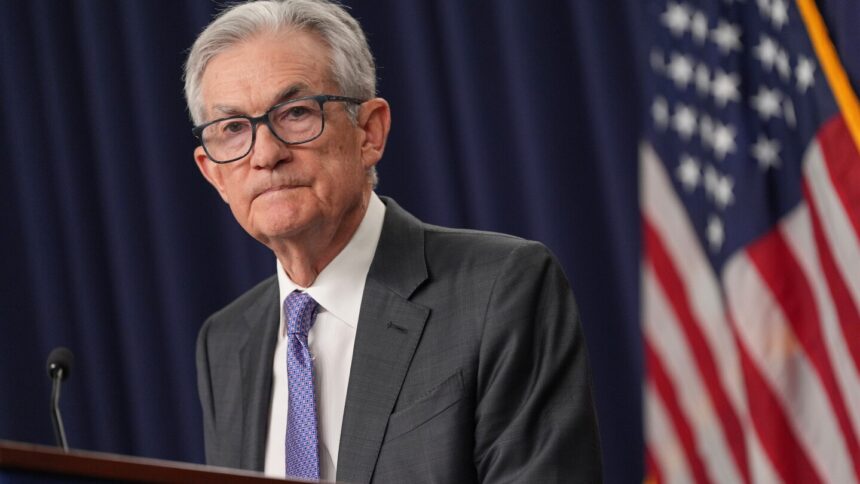
In a significant development within the Federal Reserve, Chair Jerome Powell is set to make a rare appearance at the Supreme Court on Wednesday. His presence comes as the court deliberates a contentious case involving the attempted dismissal of Fed governor Lisa Cook by former President Donald Trump. This unprecedented scenario has ignited heated discussions about presidential authority and the independence of the Federal Reserve.
Powell’s attendance at the oral argument signifies a notable act of solidarity towards Cook, as he navigates the complexities of his position amid escalating tensions with Trump. The Supreme Court is tasked with determining the legality of Trump’s threatened removal of Cook, which he initially announced in late August. This case raises serious questions about the limits of presidential power over the Fed’s governing board, which consists of seven members.
A source close to the situation, who requested anonymity, confirmed Powell’s plans to attend the session. His decision marks a departure from previous, more muted responses to Trump’s ongoing criticisms and attacks on the central bank. Just last week, Powell condemned the Trump administration’s issuance of subpoenas against him, labeling them as “pretexts” aimed at coerce him into implementing lower interest rates.
After overseeing a series of interest rate cuts that brought the benchmark rate down to about 3.6%, Powell faces increasing pressure from Trump, who advocates for rates to be slashed to approximately 1%—a stance that remains largely unsupported by economists.
The Trump administration’s claims against Cook include allegations of mortgage fraud, which she has categorically denied. Currently, no formal charges have been filed against her. Following the intricacies of the legal challenge, Cook has pursued a lawsuit to secure her position, resulting in a brief Supreme Court order on October 1, allowing her to remain on the board during the deliberation of her case.
The potential implications of the court’s ruling are significant. Should Trump successfully remove Cook, he would then have the opportunity to nominate another individual for her position. This could effectively shift the balance of power on the Fed’s board, granting Trump’s appointees a majority and thus, considerably increasing their influence over critical decisions regarding interest rates and financial regulations—issues that resonate deeply within both economic and political spheres.
As the high-stakes legal proceedings unfold, all eyes will be on Powell and the Supreme Court, where the future of the Federal Reserve’s autonomy hangs in the balance.