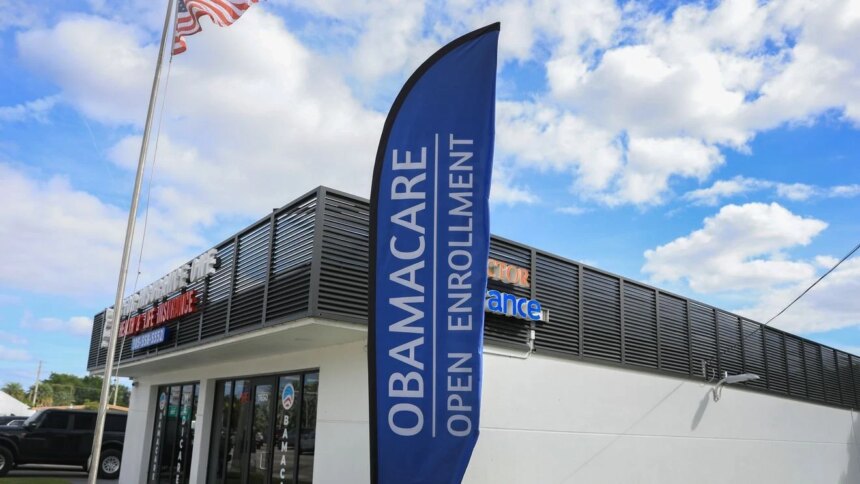
A recent report has revealed that nearly 14% of enrollees in Affordable Care Act (ACA) plans failed to pay their premiums in January, raising concerns that millions may lose their health insurance coverage in the months ahead. The Centers for Medicare & Medicaid Services (CMS) had already noted a decline in ACA enrollment this year, and the new data from Wakely Consulting Group highlights a troubling trend.
Approximately 23 million Americans were enrolled in ACA plans, whether actively or passively, through government platforms or state-based exchanges. This number has dropped from a record high of over 24 million last year, coinciding with the expiration of enhanced subsidies that had made premiums more affordable. If the 14% of enrollees who missed their premium payments do not rectify the situation within the typical three-month grace period, an estimated 3 million individuals could lose their health coverage.
Simon Haeder, a health policy expert at Ohio State University, predicted that enrollment could fall by as many as 6 million by year’s end. This decline could be attributed to several factors, including individuals who were automatically enrolled but did not want coverage or those who have secured insurance through their employers. Haeder expressed concern over the high percentage of nonpayment, suggesting it may rise further if there is no revival of the enhanced subsidies aimed at making coverage more affordable.
Wakely actuary Michelle Anderson observed a significant drop in premium payments among Obamacare enrollees in January, with marked differences across states in the rates of payment compliance. Despite anticipated premium increases, some individuals may have enrolled to maintain options in case these subsidies were reinstated. Haeder believes that as the reality of higher premiums sets in, fewer will continue their coverage beyond January.
The enhanced subsidies, which were part of the American Rescue Plan in 2021 and later extended through the Inflation Reduction Act, provided substantial financial relief to many enrollees. However, the Kaiser Family Foundation (KFF) estimated that enrollees would see monthly payments more than double—up by roughly 114% for subsidized plans—if these subsidies are not reinstated. Unsubsidized enrollees would face an average 26% hike.
Wakely’s findings suggest that the rising costs could drive total enrollment down by as much as 26% this year, with a notable shift in plan selection toward cheaper options. Many enrollees have chosen Bronze plans, which offer lower premiums but potentially less comprehensive coverage. Enrollment in Silver plans has declined by 17%, indicating a trend toward cost-cutting at the expense of coverage quality.
The implications of this trend could be serious, as sicker individuals tend to remain enrolled while healthier individuals may opt out, thus creating a less balanced risk pool. This could lead to increased premiums for all as insurers adjust to the changing demographics of their enrollees. Haeder points out that if insurers miscalculate their pricing due to a sicker enrollee pool, it may result in higher premiums or even the exit of some carriers from the market.
The increasing number of uninsured individuals could further strain healthcare providers, particularly those in rural areas, heightening the risk of service closures. Prior to the pandemic, ACA enrollment had stagnated at around 10.5 million. However, with the disappearance of subsidies and a cautious outlook on their potential reinstatement, experts fear enrollment figures may return closer to pre-pandemic levels, though ongoing population growth may prevent a complete drop to those figures.