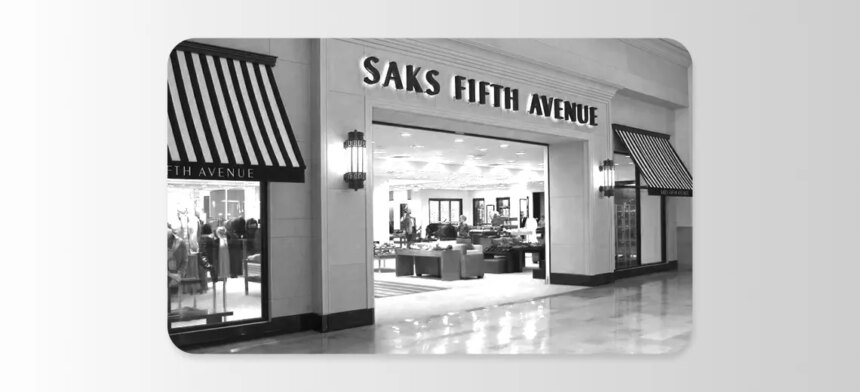
In a recent episode of the Glossy Fashion Podcast, senior fashion reporter Danny Parisi and international reporter Zofia Zwieglinska explored the significant developments surrounding Saks Global’s bankruptcy filing, a situation that had been anticipated due to the company’s mounting debt. Reports indicate that Saks owes hundreds of millions of dollars to various vendors, including high-profile brands like Chanel and Kering.
The bankruptcy announcement has not only shocked the fashion industry but has also triggered discontent from Amazon, which had invested heavily in the acquisition of Saks along with Neiman Marcus two years ago. Amazon now deems that investment essentially worthless.
During the podcast, Parisi articulated his thoughts on the company’s troubled trajectory. He remarked, “It feels like this was a doomed venture from the start. The merger was barely two years ago, and I remember speaking to brands at the time who were very bitter that Saks had the money to complete a multi-billion-dollar merger but couldn’t pay them back $15,000 that they owed them.”
Zwieglinska added insights from companies such as Fixer Advisory, which are counseling their clients—brands that have collaborated with Saks—to meticulously organize their records and halt any collection efforts, citing legal restrictions once bankruptcy is declared. Many brands have reportedly ceased shipments to Saks even before the bankruptcy filing, anticipating the fallout.
Parisi highlighted the implications of the bankruptcy for the brands left in the lurch. “The first big ripple effect is that I don’t think any of the brands that are owed money are going to see it paid back in full. We know from similar situations, such as MatchesFashion, that they will likely get pennies on the dollar for what they’re owed. These are big brands. Chanel is owed over $100 million by Saks. They’re not getting all of that back.”
Zwieglinska referenced Mark Cohen, a retail analyst and director of retail studies at Columbia Business School, who emphasized the deteriorating business model of department stores in the U.S. “The business structure of department stores is almost broken. There is no real niche, no audience that department stores are serving. And I think we’re seeing that play out across luxury multi-brand retail in the U.S., not just with Saks.”
The discussions on the podcast shed light on the broader implications of Saks’ bankruptcy not only for the company and its vendors but also for the luxury shopping landscape in the United States, signaling significant shifts in consumer behavior and brand partnerships.