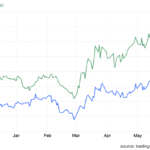
The U.S. Securities and Exchange Commission (SEC) has made a significant change to trading regulations by eliminating the pattern day trader rule. This decision abolishes the $25,000 minimum equity requirement that restricted many retail investors from engaging in active trading. Following this announcement, Robinhood’s shares experienced a notable increase of 7.61%, reaching $85.11, while Webull saw its stock jump over 9%.
The previous pattern day trader rule required traders with less than $25,000 in their margin accounts to limit themselves to just four day trades within a five-business-day window. Instituted by FINRA over two decades ago, this guideline was criticized for disproportionately affecting smaller investors while allowing affluent traders to operate without such limitations. The ruling effectively fostered a two-tiered trading environment in which account balances, rather than trading expertise, dictated the ability to trade freely.
With the SEC’s new regulatory framework, the antiquated minimum equity barrier is replaced by a real-time risk-based margin requirement that applies to all investors, regardless of their account size. According to SEC Assistant Secretary Sherry Haywood, public feedback indicated overwhelming support for this change, advocating for the removal of both the minimum equity threshold and the traditional classification of pattern day traders.
The reform has garnered positive responses from the industry. Robinhood’s Chief Brokerage Officer, Steve Quirk, highlighted that the removal of outdated barriers better reflects today’s trading landscape, providing investors with the autonomy to trade on their terms. Meanwhile, Webull’s Group President, Anthony Denier, labeled the change as “long overdue,” emphasizing the necessity of aligning regulations with actual market practices.
This regulatory shift is anticipated to enhance trading activity and engagement on platforms such as Robinhood and Webull, where many users previously held accounts beneath the former minimum threshold. Increased trading volume could subsequently drive higher revenue through elevated order flow.
For retail investors worldwide, the SEC’s decision signals a broader regulatory realignment aimed at making markets more accessible to smaller participants. However, there are concerns that inexperienced traders might increase leverage without a full understanding of the new margin requirements. To address these risks, the real-time risk monitoring system is intended to safeguard accounts from incurring positions beyond their coverage capabilities, ensuring a balance between increased trading freedom and appropriate risk management.