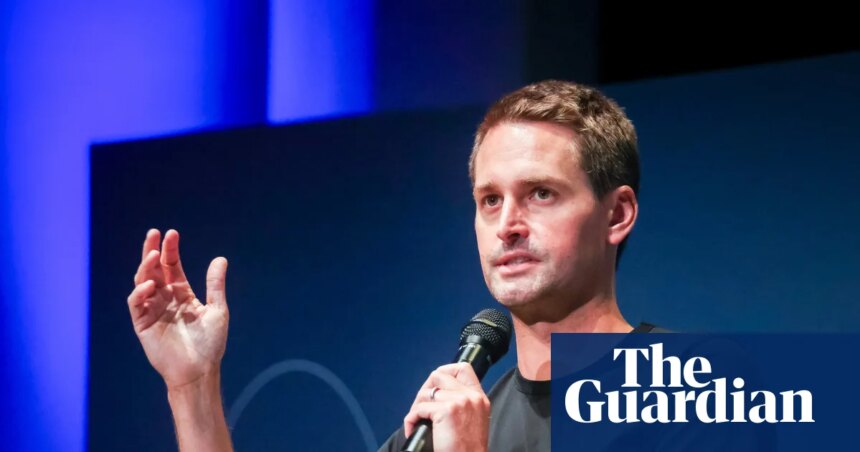
Snapchat’s parent company, Snap Inc., has announced plans to lay off approximately 16% of its workforce, affecting around 1,000 employees. This decision was communicated to staff through an internal memo on Wednesday, where the company attributed the staff reduction to “rapid advancements in artificial intelligence.” These layoffs are part of a broader trend within the tech sector, which has witnessed significant job cuts over the past year, often blaming AI for the reductions.
The announcement comes shortly after Irenic Capital Management, an activist investor, pressed Snap’s leadership for cost-cutting measures. In a letter to CEO Evan Spiegel, the firm criticized the company’s current strategies and urged a reevaluation of its workforce. In his memo, Spiegel indicated that the layoffs were a necessary step towards achieving profitability and hinted that AI could help mitigate the effects of the reduced human workforce.
“While these changes are necessary to realize Snap’s long-term potential,” Spiegel asserted, “we believe that rapid advancements in artificial intelligence enable our teams to reduce repetitive work, increase velocity, and better support our community, partners, and advertisers.”
Snap, known for its photo- and video-sharing app, joins a growing list of tech firms, including Microsoft, Amazon, and Oracle, that have implemented similar layoffs amidst an accelerating focus on AI. Reports indicate that these companies have collectively laid off tens of thousands of employees, promoting the notion that AI technology allows for enhanced productivity with fewer staff.
Despite Spiegel’s claims that AI has already begun yielding productivity benefits for Snap, many experts and employees express skepticism about the actual gains associated with AI integration. Criticism has arisen from former employees and even some pro-AI executives who accuse companies of “AI-washing,” suggesting that firms are using the promise of AI to justify layoffs resulting from previous overstaffing.
As concerns about AI’s impact on the labor market mount, leading companies in the AI space, such as OpenAI and Anthropic, are increasingly addressing their public image. OpenAI recently proposed several policy measures including a potential shift to a four-day workweek and the establishment of a public wealth fund to redistribute profits to citizens.
In the wake of Snap’s layoffs, the company’s stock price increased by around 6% during early trading hours on Wednesday, partially recovering from a drop of over 30% earlier this year. According to regulatory filings, Snap employed about 5,200 individuals as of December last year and had an additional 300 positions open, which will now remain unfilled as part of the restructuring effort.