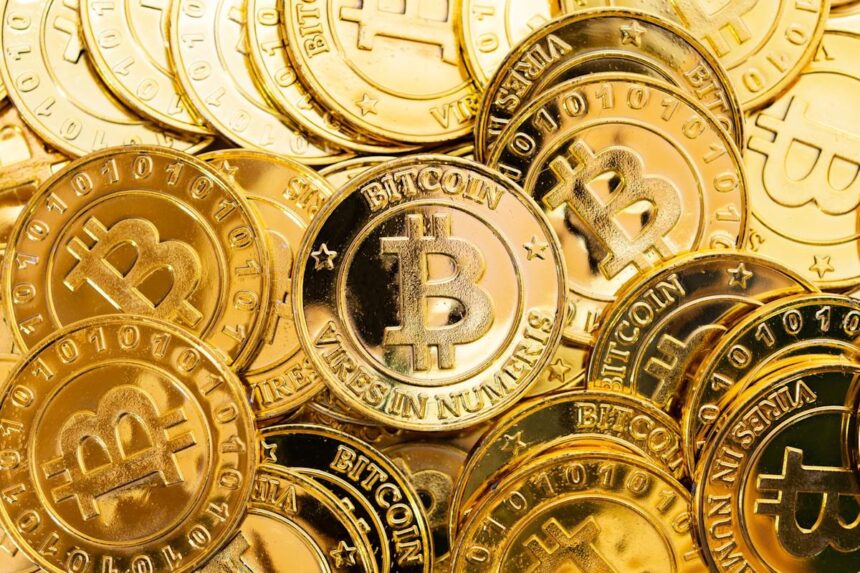
In a recent filing with the Securities and Exchange Commission (SEC), SpaceX has revealed it holds 18,712 Bitcoins, significantly exceeding prior estimates by blockchain trackers. This discovery positions SpaceX as the seventh-largest corporate holder of Bitcoin, suggesting a more substantial involvement in the cryptocurrency market than many anticipated.
With plans for an initial public offering (IPO) scheduled for June 12, targeting a valuation exceeding $1.8 trillion, SpaceX clearly has no immediate financial dependence on Bitcoin. The company’s decision to maintain its Bitcoin holdings for five years without liquidating them raises intriguing questions about its long-term outlook on the cryptocurrency.
SpaceX, known for its advancements in reusable rocket technology and the operation of the Starlink satellite internet service, doesn’t rely on Bitcoin for operational stability. Still, its interest in the cryptocurrency aligns with a growing trend among firms exploring innovative financial reserves. This shift away from traditional assets to crypto could indicate that Bitcoin might evolve into a more mainstream reserve asset for corporations.
SpaceX’s initial acquisition of Bitcoin likely began in early 2021, coinciding with a significant crypto bull market. This purchasing pattern continued despite the asset’s extreme volatility, characterized by price fluctuations exceeding 70%. The broader corporate landscape illustrates a growing trend, with public companies collectively holding approximately 1.3 million Bitcoins across nearly 200 entities, ranging from cryptocurrency miners to conventional industries.
The current dynamics also reflect increasing institutional demand, reportedly outpacing daily mining supply by a factor of 2.8 as of early 2026. Each Bitcoin retained in corporate assets contributes to a tightening supply, which could drive upward price pressure as future demand consolidates.
While the revelation of SpaceX’s Bitcoin holdings might suggest a bullish sentiment for the cryptocurrency, investors should approach the situation with caution. One company’s asset allocation serves as a single data point rather than a definitive call to action. The ongoing accumulation efforts by major corporations and institutional entities could indicate a more substantial shift towards Bitcoin as an investment, but individual investors would be wise to assess the broader market trends before making decisions.
In addition, potential buyers should consider the advice of financial analysts, such as those from The Motley Fool, who have not included Bitcoin in their current recommendations for top investment opportunities. They emphasize the importance of a diversified investment strategy, recommending stocks that have displayed consistent returns over time.
As interest in Bitcoin continues to grow, fueled by various corporations like SpaceX, the future of this digital asset remains a topic of intense scrutiny and potential opportunity for those willing to navigate its risks.