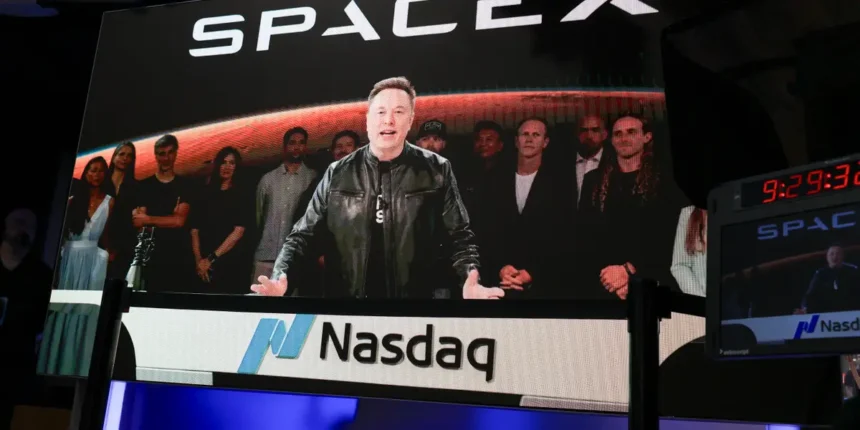
In a historic move that has sent shockwaves through the financial world, SpaceX, the aerospace and AI company led by Elon Musk, officially debuted on the public markets with the largest initial public offering (IPO) ever recorded. The rocket company’s valuation soared past $2 trillion, marking a significant milestone for both the company and its employees.
Employees of SpaceX are in a particularly advantageous position, as many have been able to benefit from the company’s heavy emphasis on equity compensation. According to the company’s S-1 securities filing, this approach aims to instill an ownership mindset among employees. Those who held onto their shares are expected to see substantial financial gains, with estimates from Andrew Benson, founder of the pre-IPO trading platform Hill Markets, projecting that around 4,400 new millionaires will be minted from this IPO. Of that number, about 400 individuals could become centimillionaires, making this an unprecedented wealth event.
However, financial advisors are cautioning SpaceX employees against inflating their lifestyles with the newfound wealth. Once lockup periods expire, allowing employees to sell their shares, advisors predict they are more likely to invest in practical assets like homes and vacations rather than extravagances like superyachts or private jets.
Matthew Fleissig, CEO of Pathstone, highlighted that the sudden influx of wealth often comes with its own challenges. He pointed out the potential pitfalls of newfound liquidity, such as wealth management fees, taxes, and the temptation to indulge in extravagant purchases. Fleissig noted, “You’ve got this unbelievable sticker shock when new wealth arrives, but becoming wealthy comes with significant expenses.” His firm has been advising clients, including many from SpaceX and other high-profile companies like Anthropic and OpenAI, to be cautious.
Taxes present another layer of complexity. For many employees used to simple tax filings, navigating the intricacies of new investments might require hiring a specialized accountant, which could cost them around $25,000.
The social dynamics also change almost immediately once people recognize the new wealth. Michael Cole, a former wealth advisor, warned that being labeled a SpaceX centimillionaire could attract unwanted attention from individuals seeking financial support or favors.
Regarding large purchases, advisors are urging caution. Both yachts and private planes are notorious for their upkeep costs, which can significantly exceed initial purchase prices. Financial consultants recommend that clients limit their expenditures on such luxury items and conduct thorough research before making any investments.
Cole emphasized the importance of a gradual approach in the aftermath of liquidation events. He advised diversifying assets and considering the risks of being overly invested in a single stock, especially when market sentiments can rapidly change. “Start by liquidating a concentrated holding to reduce risk,” he stated, suggesting that employees consider reallocating their wealth into safer investments like short-term treasuries.
Moreover, the influx of wealth can create opportunities for individuals to reassess their personal goals and lifestyles. Fleissig encourages clients to take time to reflect on what they truly value, be it spending time with family, travelling, or pursuing hobbies. While a bit of luxury—like upgrading a home or purchasing a sports car—can be enjoyable, he maintains that there’s no harm in indulging in moderate spending if it aligns with long-term goals.
In summary, while the IPO of SpaceX promises incredible wealth for its employees, it also brings a host of complexities and challenges. Financial advisors emphasize taking a measured approach toward spending and investing in the wake of such a monumental financial event.