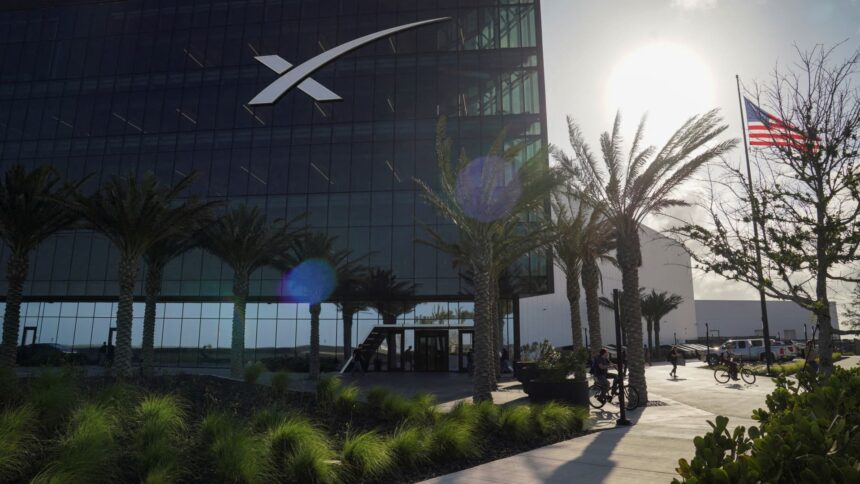
Speculation surrounding SpaceX’s impending initial public offering (IPO) intensifies as expectations mount for a significant filing and regulatory process to unfold in Starbase, Texas. The IPO, set to occur this week, is poised to be the largest in history, potentially inundating the stock market with new shares. The critical question looming over Wall Street is the source of the capital needed to support this unprecedented influx.
Investment experts highlight that the stock market has demonstrated capacity to absorb extensive equity supply. In the year leading up to September 2025, S&P 500 companies cumulatively issued approximately $1.7 trillion—equating to roughly $140 billion monthly. Given this context, SpaceX’s projected capital raise of $75 billion represents a mere fraction of shareholder payouts during just over two weeks, according to Gavekal Research.
SpaceX isn’t alone in its quest for capital; the startup landscape is bustling, with prominent firms including Anthropic, OpenAI, and Alphabet collectively aiming to raise about $380 billion in the public markets. Gavekal Research’s Will Denyer noted that in the larger picture of the U.S. equity market, these share issues are quite manageable, suggesting that any potential negative impact on equity performance from liquidity strain will likely be short-lived.
In recent times, both private and public sector companies are raising substantial capital, driven largely by the booming interest in artificial intelligence. OpenAI recently secured $122 billion on March 31, 2026, led by substantial investments from tech giants like Nvidia and Amazon. Similarly, Anthropic completed a massive $65 billion Series H financing round, propelling its valuation to approximately $965 billion. Alphabet, meanwhile, has announced an $84.8 billion equity raise to bolster its AI investment amid escalating demand.
Despite a generally favorable fundraising environment, investors might face challenges as the market braces for the significant offering from SpaceX. Market analysts anticipate a period of volatility following the IPO, given the patterns observed historically. A recent Truist Wealth review of 30 major IPOs over the past decade and a half indicated that, on average, shares of newly public companies decline around 9% within the year following their debut, often experiencing steep drawdowns averaging 54%.
Moreover, SpaceX’s situation may be further complicated by potential shifts in market dynamics. Should the stock market accommodate the new shares, it could lead to a rotation in technology investments, as capital transitions from established winners toward emerging opportunities. Early indications of such a shift were evidenced this past week, with the S&P 500 trending downward as investors gravitated from high-performing tech stocks to more defensive options like consumer staples.
The recent regulatory changes by Nasdaq, which have expedited the inclusion of newly public entities like SpaceX into key indexes, add another layer of complexity. Unlike prior practices requiring firms to establish profitability and sufficient floating shares, the upcoming Nasdaq 100 inclusion will utilize a threefold market cap multiplier for weighting. This modification substantially amplifies the stock’s influence on index movements, potentially elevating overall volatility.
Heightened retail participation in the market accompanies these changes, raising concerns about the potential for inexperienced investors to experience adverse outcomes. Analysts like Jay Woods, Chief Market Strategist at Freedom Capital Markets, express apprehension about the implications for newer investors, noting that while the IPO offers unprecedented investment opportunities, it also risks becoming a speculative endeavor rather than a substantive investment.
Furthermore, the pace at which AI companies are making IPO announcements has raised alarms about potential “demand fatigue” among investors. Justin Bergner, portfolio manager at Gabelli Funds, indicates that the competitive urgency among firms like OpenAI and Anthropic to secure funding before market conditions decline reflects a broader unease.
While apprehensions about inflation, rising bond yields, and looming Federal Reserve interest rate hikes persist, there is a prevailing optimism that the robust demand for AI solutions will substantiate the need for extensive capital. Venture capital perspectives suggest a forthcoming wave of IPOs spurred by bullish sentiments about AI technology’s trajectory, indicating a potentially transformative period ahead for both investors and the market as a whole.