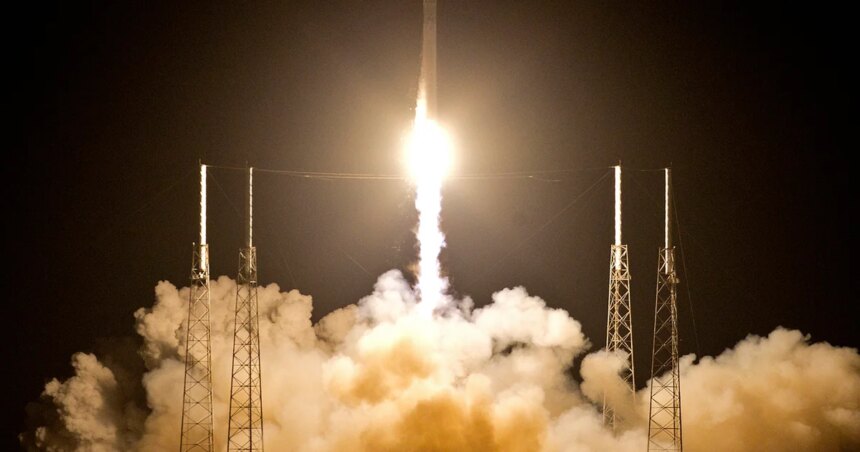
SpaceX is poised to make a significant entry into the public markets this week, marking what analysts predict could be the largest initial public offering (IPO) in history. The company, led primarily by CEO Elon Musk and supported by employees and private investors, plans to reserve a substantial allotment of shares specifically for retail investors, a move considered atypical in the IPO landscape. Reports earlier this year indicated that as much as 30% of the shares will be offered to individual investors, which is three times more than typical allocations.
Shares are expected to be priced on Thursday, with trading commencing the following day on the Nasdaq Composite Index under the ticker symbol “SPCX.” A recent regulatory filing revealed that SpaceX anticipates a share price of $135, although this figure may fluctuate before the trading launch, as noted by Matthew Kennedy, a senior market strategist at Renaissance Capital, who specializes in IPO tracking.
The ambitious offering is projected to raise approximately $75 billion, nearly three times the amount Saudi Aramco garnered during its public listing in 2019—the current record-holder for the largest IPO. If successful, this raise would value SpaceX at $1.77 trillion, outstripping the market capitalization of many established U.S. corporations, including Tesla, Meta Platforms, and Berkshire Hathaway.
To purchase SpaceX shares, retail investors must possess a brokerage account with a participating digital investing platform. SpaceX has partnered with major brokerage firms such as Charles Schwab, E*TRADE, Fidelity Investments, Robinhood, and SoFi to facilitate access for everyday investors. Each platform provides tailored instructions for participation, which generally include setting up an investor profile, verifying eligibility, and submitting requests for desired share quantities. However, obtaining the requested shares is not guaranteed, as availability is contingent on supply.
In recent developments, private-market transactions involving SpaceX shares have become increasingly elusive, with platforms like Forge Global and Rainmaker Securities ceasing to offer new access. Glen Anderson, CEO of Rainmaker Securities, indicated that market participants are retaining their shares, turning their focus toward the company’s upcoming public performance.
As the IPO date approaches, existing requirements for purchasing shares through various brokerage accounts have been clarified. Charles Schwab mandates a minimum liquid net worth of $100,000, while E*TRADE has no account minimum. Fidelity allows participation for accounts with at least $2,000, and both Robinhood and SoFi impose no minimum restrictions.
Notably, SpaceX aims to offer around 555 million class A common shares, comprising approximately 4.25% of its total stock for public trading. Analysts anticipate that institutional investors will receive the remaining majority of shares.
Investors are weighing the merits of buying into SpaceX at the initial offer price. Research suggests that initial public offerings tend to perform well on their first trading day, with average returns around 19%. However, long-term investments may pose greater risks, as findings indicate an average three-year market-adjusted return of -21% for those buying at the IPO closing price.
Market experts advise potentially biding time before jumping into SpaceX shares due to anticipated volatility post-IPO. Morningstar has raised concerns about the company’s valuation, suggesting that investors may find more appealing opportunities to acquire stock after the initial trading frenzy settles.