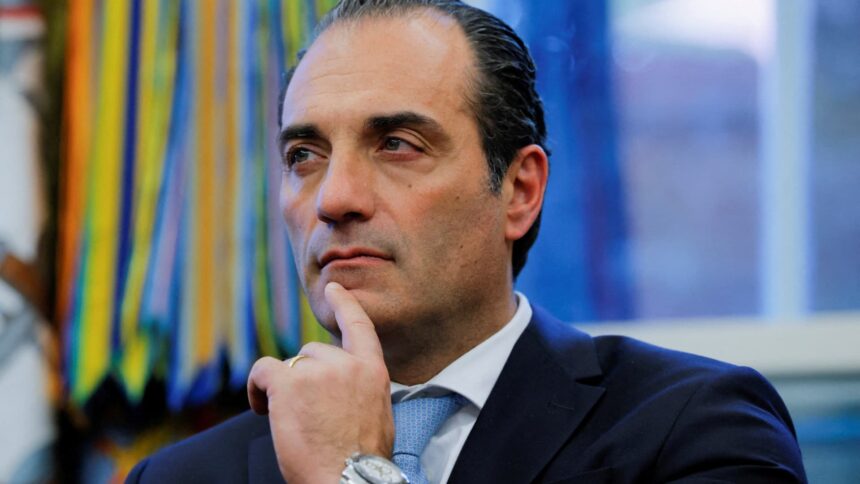
Stellantis CEO Antonio Filosa has expressed optimism about expanding the automaker’s partnerships in North America to enhance production capabilities and increase sales. During a recent press conference following an investor day at the company’s North American headquarters in Auburn Hills, Michigan, Filosa noted a specific interest in collaborating with Chinese automaker Zhejiang Leapmotor Technology Co. to potentially manufacture vehicles in Mexico and Canada.
Filosa emphasized that while opportunities may exist in Mexico and Canada, the market in the United States is currently saturated and not perceived as a viable option for expansion. He highlighted that Stellantis sees considerable potential in leveraging its relationship with Leapmotor to boost its production and sales efforts.
Amid ongoing trade tensions, Canada allows a significant number of Chinese-made electric vehicles—up to 49,000 annually—to be imported with a relatively low tariff of 6.1%. This regulatory framework creates an attractive environment for Stellantis, particularly considering the recent closure of its Brampton, Ontario assembly plant, which has not produced new vehicles since the termination of the Dodge Charger and Challenger lines in December 2023. Reports from Bloomberg last month indicated that Stellantis was in discussions with Leapmotor regarding the possibility of building electric vehicles in Canada.
The partnership with Leapmotor is seen as a strategic move not only to boost sales but also to gain insights from the Chinese market while sharing capital expenses. Stellantis has held a 51% majority stake in a joint venture with Leapmotor since 2023, which grants exclusive rights for the manufacture and sale of Leapmotor products outside of greater China. Furthermore, Stellantis is also the largest shareholder of Leapmotor with a 21% stake.
In addition to Chinese collaborations, Filosa mentioned that Stellantis is looking for opportunities to partner with non-Chinese brands. He specifically pointed to recent discussions around potential collaborations with Jaguar Land Rover (JLR), noting that the industrial profile of both companies aligns closely, suggesting various synergies in product development. Filosa’s comments underline Stellantis’ commitment to exploring diverse partnerships to strengthen its position in an increasingly competitive automotive landscape.