US stocks experienced a recovery on Friday after facing significant losses earlier in the session, rebounding from Wall Street’s steepest decline in over a month as investors navigated mixed signals ahead of key economic data and the upcoming Federal Reserve rate decision in December.
The Dow Jones Industrial Average fell roughly 0.6%, while the S&P 500 and the Nasdaq Composite managed to recover from deeper losses. At one point, the S&P dipped below the flatline, but ultimately closed flat, while the Nasdaq edged up by 0.1%. This volatility followed a tumultuous session on Thursday, where major indexes recorded their sharpest one-day declines in more than a month, largely influenced by concerns surrounding technology stocks driven by artificial intelligence (AI) and shifting market sentiment towards safer investments.
Specific stocks showcased notable fluctuations. Tesla shares struggled, falling below the crucial $400 mark before reversing to positive territory later in the day. Similarly, Nvidia saw a bounce back, reversing earlier losses to close higher. In the cryptocurrency sphere, Bitcoin recorded troubling declines, dipping below $96,000 for the first time in over six months and reflecting a nearly 20% decrease from its peak achieved in October.
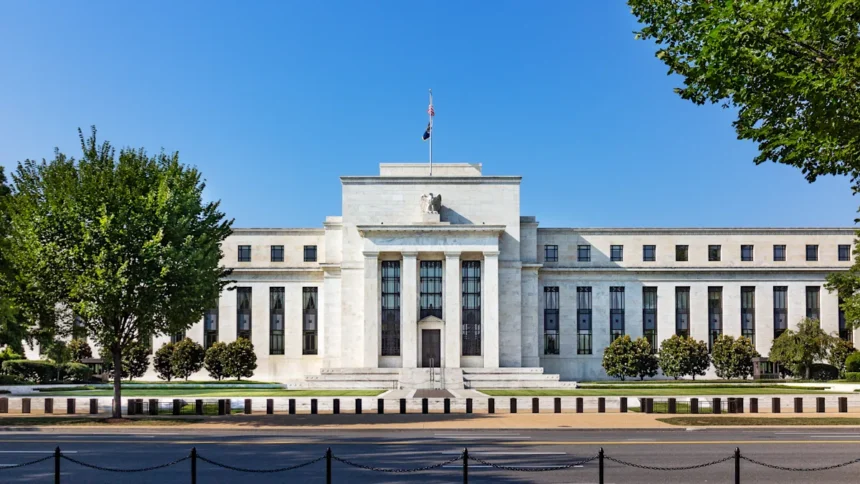
Investor sentiment remains cautious as fears mount that the Federal Reserve could decelerate its rate-cutting measures following its latest policy discussions. On Friday, Minneapolis Fed President Neel Kashkari indicated a reluctance for further rate cuts, citing signs of resilience in the U.S. economy alongside persistent inflation concerns. This commentary has shifted market expectations significantly: traders now assign less than a 50% probability to a quarter-point rate reduction next month, down from approximately 95% just a month prior.
The uncertainty regarding future monetary policy coincides with anxieties about inflation and labor market conditions, particularly in the wake of the record-length government shutdown. The Bureau of Labor Statistics is expected to release the September jobs report on November 20, which had been delayed due to the budget impasse.
In a related move to alleviate inflationary pressure, President Trump is reportedly preparing to announce significant tariff cuts aimed at lowering food costs—an issue increasingly sensitive to voters after recent state elections. Moreover, trade agreements with countries like Argentina and Brazil are anticipated to make staple goods like bananas and coffee more affordable.
As the day progressed, volatility in the market was indicated by the VIX index, which spiked to a four-week high, surpassing 20 during the tumultuous trading session. This increase reflected the heightened uncertainty as major indices fluctuated between gains and losses throughout the day.
Notably, amidst the chaos, some analysts maintained a bullish outlook on sectors like healthcare. The S&P 500 Health Care ETF has seen substantial growth, rallying 10% since late September.
Despite these fluctuations, many Wall Street strategists view the recent downturn as a correction rather than a precursor to a broader market collapse. Analysts at UBS suggested that the setback is likely temporary, underpinning a continued bull market. They indicated that the decision-making of the Fed would remain data-dependent, suggesting that strong earnings reports from tech companies could support ongoing market gains.
As the week drew to a close, broader economic indicators and upcoming earnings reports would be pivotal in determining market directions, with significant anticipation surrounding next Thursday’s jobs report amid a recovering labor market and evolving monetary policy landscape.