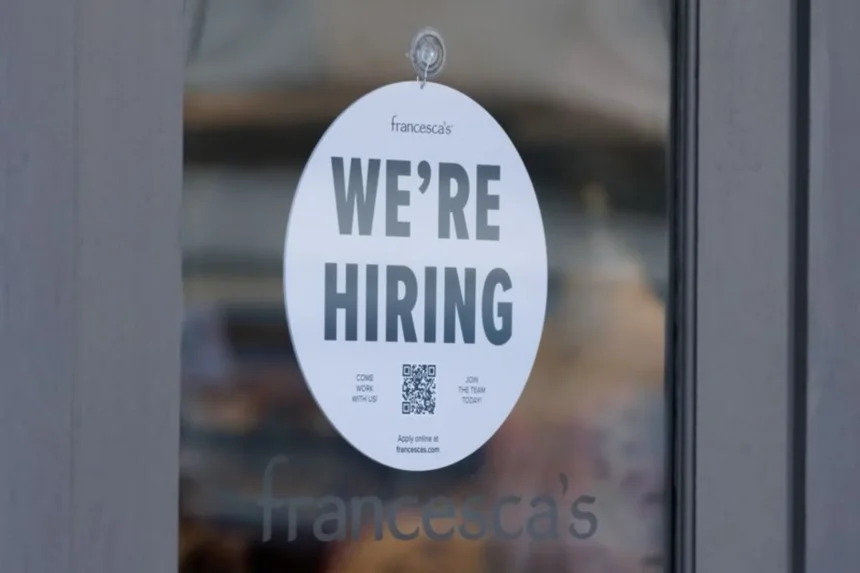
A recent jobs report indicating slower-than-expected growth in the U.S. labor market has brought a sense of relief to equities, particularly as concerns intensified that a robust job market could compel the Federal Reserve to adopt a more hawkish stance in its efforts to combat inflation. This shift in sentiment arrives at a time when high-flying tech stocks, which have significantly contributed to this year’s market rally, have been under scrutiny due to inflated valuations and potential instability.
According to data from the Labor Department released on Thursday, job growth in June was weaker than anticipated, and previous payroll figures for May and April were adjusted downward. This trend suggests a cooling of the labor market while still indicating stability, leading financial markets to recalibrate their expectations for a potential rate hike by the Federal Reserve in the near future.
Adam Sarhan, the chief executive of 50 Park Investments in New York, remarked that this report allows those anxious about a forthcoming Fed rate increase to relax somewhat. While he emphasized that concerns about inflation aren’t entirely resolved, the latest figures lessen the immediate pressure on the Fed to act hastily.
The uptick in market tension earlier in June stemmed from the Fed’s decision to maintain interest rates while hinting at potential future increases, a move that raised alarm over corporate spending driven by debt—especially in artificial intelligence sectors. Following that announcement, stocks faced a pullback, particularly within dominant tech companies.
Insights from the latest jobs report suggest to investors that the labor market is not contributing to inflationary pressures, potentially paving the way for a more accommodating stance from the Fed. Data indicated that, according to futures markets, there is now roughly a 50-50 chance of a rate increase by the Fed’s September meeting.
While caution is warranted in interpreting any single economic report due to historical volatility, the prevailing sentiment is that this development provides the Federal Reserve with greater flexibility and may serve as a short-term boost for stock markets. Anshul Sharma, chief investment officer at Savvy Wealth, noted that a consistent trend of moderated labor market conditions coupled with easing inflation would further support a more dovish Fed, benefiting ongoing market performance, especially in growth-focused sectors like technology.
Despite a slight decrease in the market’s rate hike expectations, there remains a noteworthy divergence from several economists’ predictions suggesting that the Fed will refrain from increasing rates for the rest of the year, implying potential for further market adjustments. Nonetheless, investor focus appears to remain fixated on momentum and earnings outlooks, which are proving to be more influential than shifts in economic indicators.
As the second-quarter earnings reports loom in the coming weeks, investors are eager to see if the positive trend established during the strong earnings season for S&P 500 companies will persist, thereby sustaining high valuations. If expectations for rate cuts continue to diminish, strategists believe it could lead to a more favorable environment for stocks. Mark Hackett, chief market strategist at Nationwide, mentioned that such a scenario would likely encourage a more risk-oriented approach among investors.