A recent investigation brings to light several concerning issues across various sectors, highlighting the intertwining of corporate practices, leadership decisions, and broader societal implications.
In the realm of electric vehicles, a report from Rolling Stone suggests that Tesla may have sold nearly a million fewer cars, attributing this decline to CEO Elon Musk’s alignment with the MAGA movement and his role as a prominent adviser to former President Trump. This connection raises questions about how political rhetoric influences consumer sentiment and corporate performance in competitive marketplaces.
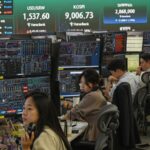
Meanwhile, Wired discusses the anticipated implosion of the artificial intelligence bubble, with scholars applying historical tests used for previous tech bubbles. As investment in AI-linked stocks surges, Bloomberg notes that as the economic implications of AI grow clearer, those stock valuations may soon face significant declines, hinting at a possible market correction in the near future.
In healthcare, Axios reports that the advocacy group AARP received a staggering $9 billion from UnitedHealth as part of a partnership to market Medicare products. This financial arrangement highlights concerns over the close ties between advocacy organizations and for-profit enterprises, raising questions about potential conflicts of interest in healthcare advocacy.
The investigation into the biotech firm Moderna reveals a stark transformation for a company once celebrated for its pivotal role in combating COVID-19. Stat reports that after a series of missteps and setbacks, Moderna now confronts a challenging future, adding to the discourse on how swiftly fortunes can change in the fast-paced biotech industry.
In a controversial financial narrative, Reuters delves into the Trump family’s significant crypto endeavors, uncovering that they accrued over $800 million from crypto asset sales within the first half of 2025. Much of this wealth comes through international negotiations led by Donald Trump’s sons and raises ongoing discussions about the ethical implications of such financial windfalls, particularly in light of their political affiliations.
The education sector is similarly scrutinized, as Mother Jones highlights a concerning trend among graduates from elite colleges, who are increasingly funneled into high-income sectors like finance and technology. This “career funnel,” identified by sociologists, reveals how a small selection of lucrative paths can lead to dissatisfaction and mental strain among graduates, prompting reflections on the pressures and expectations placed on young professionals.
The political landscape reveals former President Obama’s increased engagement in politics, with the Washington Post detailing his behind-the-scenes efforts to counter Trump’s influence, notably in redistricting. This move indicates deep-seated concerns about the future of democratic practices in the country.
In a broader context, the New York Times raises a pivotal question: Are we losing our democracy? While the U.S. is not facing a complete autocracy comparable to nations like Russia or China, certain markers indicate a drift away from democratic values, prompting urgent discussions about safeguarding democratic institutions and practices.
On a different note, The Bulwark examines the complexities surrounding military secrecy, questioning the appropriateness of requiring military commanders to sign non-disclosure agreements in light of existing legal frameworks designed to protect sensitive information.
In the entertainment industry, Jennifer Lawrence is making strides in her acting career with a role that juxtaposes her previous maternal portrayals, presenting a nuanced character grappling with extreme psychological challenges, as detailed by the New Yorker.
Lastly, Goldman Sachs reveals that the top 10 U.S. companies now account for nearly a quarter of the global equity market, with eight of these companies in the technology sector, underscoring the vast economic influence exerted by a handful of corporations in shaping market dynamics.
This collection of insights serves as a stark reminder of the interconnectedness of politics, corporate behavior, and societal trends in shaping the current landscape of American life.