The initial public offering (IPO) market is experiencing a robust resurgence after a prolonged period of stagnation, with investors eagerly eyeing the next big listing. High valuations, particularly in the technology and artificial intelligence sectors, are fueling a bullish atmosphere that has pushed stock indexes to new heights, driven by an upswing in corporate earnings.
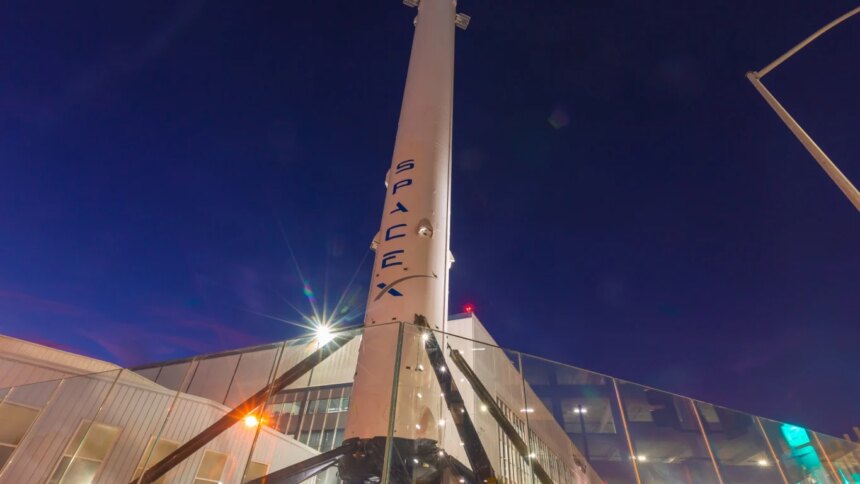
An impending IPO that has captured significant attention is SpaceX, slated for June 12. This offering has the potential to be a game changer, with an estimated valuation of $1.75 trillion, positioning it to become the largest public offering in history. The excitement surrounding this listing raises a pivotal question for investors: How will this unprecedented offering be received in the market?
SpaceX’s IPO filings highlight its ambitious scope, targeting a staggering $28.5 trillion total addressable market encompassing satellite broadband, launch services, defense contracts, deep-space logistics, and global communications. For context, this figure eclipses the current inflation-adjusted GDP of the U.S., which hovers around $24.17 trillion. Such a grand narrative is music to Wall Street’s ears, prompting exchanges to vie for a piece of the action. The Nasdaq, for instance, has contemplated altering index inclusion rules to facilitate SpaceX’s immediate entry into major indexes post-listing, an action that could ensure automatic demand as index funds would be compelled to buy shares.
Despite the enthusiasm, history provides significant caution for potential investors. Research indicates that larger IPOs frequently yield disappointing long-term returns. A study conducted by 22V Research reveals that among the seven IPOs exceeding $50 billion, median one-year returns plummeted by an average of 31.9%. Even offerings sized between $10 billion and $50 billion saw median returns dip to -17.4%.
This trend is alarming, particularly for a company like SpaceX, which could debut at a valuation greater than Alphabet’s peak valuation years after its own IPO. The challenges arise primarily from inflated expectations. Hype surrounding massive IPOs often leads to unrealistic valuations, with much anticipated growth already reflected in initial share prices.
SpaceX undoubtedly boasts several advantages, such as its expansive Starlink network, credited with over 10.3 million global subscribers, and the Falcon 9 rocket, recognized as the most frequently launched platform in history. Additionally, recurring revenue from contracts with NASA and the Department of Defense positions the company favorably compared to its competitors.
However, it’s imperative for investors to differentiate between admiration for the company and enthusiasm for its stock price. Historical data shows that iconic IPOs, including Facebook and Alibaba, experienced significant declines shortly after their initial offerings before rebounding over time.
In conclusion, while SpaceX holds the potential to become a monumental player in the coming decades with its technological advancements and strategic partnerships, history warns that the path may not be as smooth as anticipated. Thus, it may be prudent for investors to approach this IPO with caution, recognizing that the initial excitement could lead to volatility before potential future gains materialize. Sharper investors might find more favorable opportunities once the initial fervor of the IPO subsides.