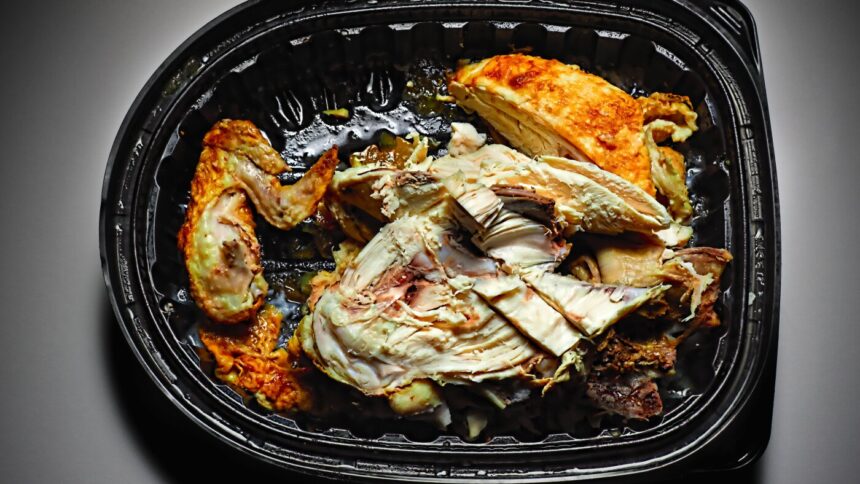
In a world where food waste has become a significant concern, tackling the contents of a fridge overflowing with leftovers is both a challenge and an opportunity for creativity. Chef Margaret Li, co-author of the cookbook Perfectly Good Food, emphasizes the potential of cooking with leftovers as an enjoyable and innovative endeavor rather than a chore filled with guilt.
Many households face the dilemma of leftovers—takeout that loses its appeal, half-eaten rotisserie chickens, and wilting vegetables often go unnoticed, leading to the common lament of “there’s nothing to eat.” However, Li advocates for a shift in mindset: viewing the use of leftovers as a fun puzzle. This approach not only reduces food waste but also creates meals that can be surprisingly delightful.
Statistics show that around one-quarter of all food produced in the United States goes to waste. In a household that spends around $200 weekly on groceries, this translates to roughly $50 worth of food squandered, a financial strain compounded by the environmental impact. Li and other chefs offer practical tips for making the most of what is often overlooked.
One strategy involves developing “hero recipes”—versatile dishes that can adapt to the various ingredients on hand. Li suggests a flexible stir-fry recipe that encourages experimentation with vegetables, making it easy to incorporate leftovers without measuring precisely. This method turned a haphazard collection of fridge scraps into a gourmet meal that felt both satisfying and rewarding.
Alternative uses for leftovers abound. Tamar Adler, chef and author of The Everlasting Meal Cookbook, suggests that nearly any leftover can enhance a frittata or be reincarnated as fried rice. Simple steps like sautéing aromatics and adding day-old rice can transform seemingly lackluster ingredients into a flavorful dish.
To further organize their cooking efforts, chefs recommend labeling leftovers with dates and intended uses. This method fosters a sense of purpose for each item, allowing for more efficient and imaginative meal planning. For instance, after enjoying Ethiopian food, one can envision using leftover injera for breakfast by scrambling it with eggs, a creative twist that breathes new life into leftover bread.
In addition to vibrant meals, chefs also stress the importance of utilizing every part of an ingredient. Li advocates for keeping a dedicated bag in the freezer for scraps intended for homemade stocks, while Adler encourages the use of herb stems. These components may lack the allure of their leaves but still offer great flavor potential when blended into sauces or soups.
Li’s approach to using leftovers is a blend of creativity and practicality. She maintains an “Eat Me First” box in her fridge, housing produce on the verge of spoiling, to ensure they are prioritized in meal preparation. This system, combined with experimenting with existing ingredients, sparked joy and excitement in the kitchen, turning the act of cooking into a game rather than a task.
The practical advice from these chefs highlights the need for a balanced perspective when it comes to cooking with leftovers. While striving for zero waste is admirable, it’s essential not to be overly perfectionistic. Li reminds home cooks that it’s acceptable to discard food rather than force themselves to consume everything. Frozen leftovers can still find new life in soups or smoothies, proving that even the most unappealing ingredients can be delicious.
For those interested in exploring their leftover cooking potential, a simple “Make-It-Your-Own Stir-Fry” recipe from Li’s cookbook serves as an inspiring example of how to craft a meal from whatever is on hand. With a bit of creativity and a willingness to experiment, the contents of your fridge may surprise you with the meals they can create.
As awareness around food waste continues to grow, engaging in more mindful cooking habits could not only save money but also contribute positively to the environment. It’s an invitation for everyone to rethink how leftovers can become the heroes of the kitchen.