In a significant shift within the U.S. media landscape, the Trump administration has approved Nexstar’s acquisition of Tegna, valued at $6.2 billion. This merger, which marks the largest local TV station ownership consolidation in the country, is expected to reshape the dynamics of local news and information dissemination.
The Federal Communications Commission (FCC) and the Justice Department gave the green light to the merger just one day after an antitrust lawsuit was filed by eight state attorneys general seeking to block it. The FCC’s approval is particularly notable as it allowed Nexstar, which is already the largest TV station owner in the country, to bypass a federal regulation known as the National Television Ownership Rule. This rule prevents any single entity from owning television stations that reach more than 39% of U.S. households, a safeguard designed to maintain competition in the media landscape.
Following this merger, Nexstar will be operating a total of 265 local TV stations across 44 states, enhancing its portfolio to include notable networks such as NewsNation and the CW. This expansion means that Nexstar will have a presence in approximately 132 of the 210 TV markets in the United States.
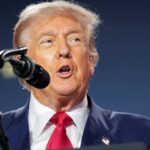
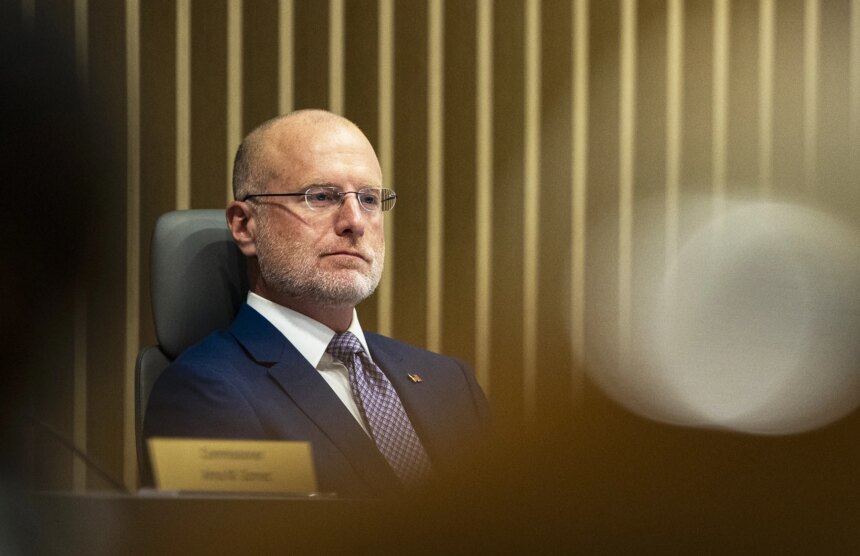
Nexstar’s CEO, Perry Sook, publicly expressed gratitude to President Donald Trump and FCC Chairman Brendan Carr for their support in facilitating the merger’s approval. Interestingly, Trump initially opposed the merger when it was filed in August. However, a dramatic turnaround occurred after Nexstar removed late-night TV host Jimmy Kimmel’s show from its programming following Kimmel’s comments regarding a high-profile shooting. Subsequently, Trump changed his stance, advocating for the merger in a post on his social media platform, TruthSocial. He called for increased competition against what he labeled as “Fake News National TV Networks.”
Trump’s support for the merger comes amid a backdrop of tensions between his administration and national news broadcasters, often characterized by threats over perceived negative coverage. Critics of the deal have raised alarms about its potential effects on local journalism, fearing that the merger could lead to a concentration of media power that stifles diverse voices and local news coverage.
The lone Democratic commissioner at the FCC, Anna Gomez, condemned the merger process, highlighting a lack of transparency in how the decision was made and warning of the potential negative impact on communities that rely on local news sources. The controversy surrounding this merger underscores ongoing debates about media consolidation, competition, and the future of journalism in America.