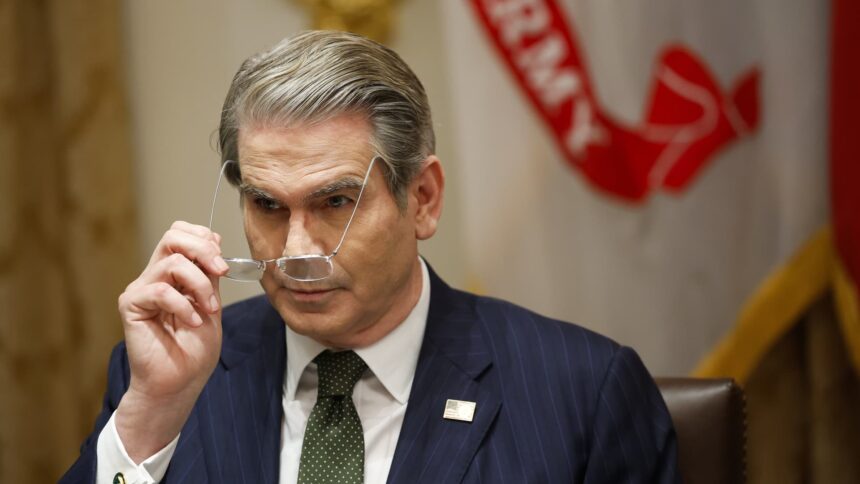
U.S. Treasury Secretary Scott Bessent has raised concerns about China’s influence in the rare earth industry, highlighting that the nation has been leveraging its market dominance to undercut prices and eliminate foreign competition. In an exclusive interview with CNBC, Bessent described China’s economic model as a “nonmarket economy,” suggesting that its practices are not aligned with conventional market principles.
In response to these aggressive pricing strategies, the Trump administration is poised to implement a form of “industrial policy” aimed at establishing price floors across various industries. This approach will set minimum prices on goods and services to prevent suppliers from charging too low, effectively functioning as a form of government intervention in the marketplace.
On the financial front, major U.S. banks, including Bank of America and Morgan Stanley, reported second-quarter earnings that significantly exceeded analyst expectations. Their strong performance echoed results from other leading institutions like JPMorgan Chase and Goldman Sachs, which also benefited from a surge in deal-making and rising stock market values.
Despite ongoing tensions between the U.S. and China, particularly in trade relations, investor sentiment remains optimistic. On the same day as Bessent’s comments, stock indices such as the S&P 500 and Nasdaq Composite experienced gains, while the Russell 2000 index reached an all-time high. Analysts from the U.S. Federal Reserve noted that, despite companies facing increased costs due to tariffs, the overall economy shows no signs of faltering.
Looking ahead, the momentum in equity markets may be tested as key earnings reports from major technology firms like Tesla and Intel are set to be released next week, which could impact investor decisions amid the complicated trade dynamics with China.
In the backdrop, a Chinese flag was raised on the Great Hall of the People in Beijing in anticipation of the Belt and Road Forum, commemorating the 10th anniversary of the Belt and Road Initiative, further underscoring the geopolitical landscape shaping global economic interactions.