US stocks experienced a downward trend on Wednesday as concerns over artificial intelligence (AI) demand exerted pressure on technology shares and a surprising decrease in private-sector employment highlighted vulnerabilities in the job market.
The Dow Jones Industrial Average remained relatively unchanged, while the S&P 500 dipped approximately 0.2%. The Nasdaq Composite, which is heavily weighted with tech stocks, experienced a larger decline of around 0.4%. This shift followed a day of gains across major indices on Tuesday.
Microsoft’s shares fell by more than 2% after it was reported that the company has reduced its AI sales quotas. This decision has rekindled skepticism among investors regarding the anticipated demand for AI, particularly among major tech firms. Prominent semiconductor stocks also suffered, with Nvidia, Broadcom, and TSMC each dropping nearly 1%.
As investors processed the latest ADP employment report, which revealed a nationwide loss of 32,000 jobs in November, anxiety around the labor market intensified. This figure starkly contrasted with market expectations of a slight increase in employment, and was attributed primarily to a significant drop in small business hiring.
Market participants are now focused on the upcoming Consumer Price Index (CPI) announcement, with analysts closely watching privately sourced data on services activity for November to glean more insights concerning inflation trends. The projected upcoming rate cut by the Federal Reserve has added a layer of complexity to these labor market concerns, with traders estimating an 88% likelihood of a rate reduction at the Fed’s December meeting.
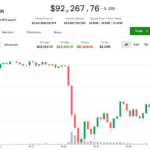
In the cryptocurrency landscape, Bitcoin showed signs of recovery, rising to a two-week peak above $93,000 after a prolonged slump that saw it fall below $83,000. However, it subsequently retraced some of these gains.
On the earnings front, Marvell Technology witnessed a surge of 7% in its stock price following a robust sales outlook and the announcement of its acquisition of Celestial AI. Conversely, shares of American Eagle Outfitters soared over 16% as the retailer reported a strong start to the holiday shopping season. Meanwhile, Macy’s shares slipped despite posting an unexpected profit, owing to a disappointing sales forecast amid ongoing restructuring efforts.
In another notable development, Netflix’s stock dropped more than 6% as the streaming company faced backlash over its proposed acquisition of Warner Bros Discovery. The argument that this move would benefit consumers by reducing streaming costs seemed to falter, contributing to the stock’s decline.
Apprehension surrounding the AI market was further exacerbated by reports regarding Microsoft’s sales quota cuts for AI products. Chip stocks, especially Nvidia, Broadcom, and Micron, were significantly impacted as investor confidence weakened.
The unexpected ADP report indicated a marked contraction in the job market, with notable job losses in manufacturing, professional services, and construction sectors. The decline was particularly acute among small businesses, which shed 120,000 jobs. ADP’s chief economist noted that hiring has been inconsistent, influenced by cautious consumer behavior and a volatile macroeconomic climate.
While the markets grappled with these warnings from the labor sector, the possibility of Fed rate cuts continued to foster some optimism, sparking a mixed reaction in stock prices following the ADP report.