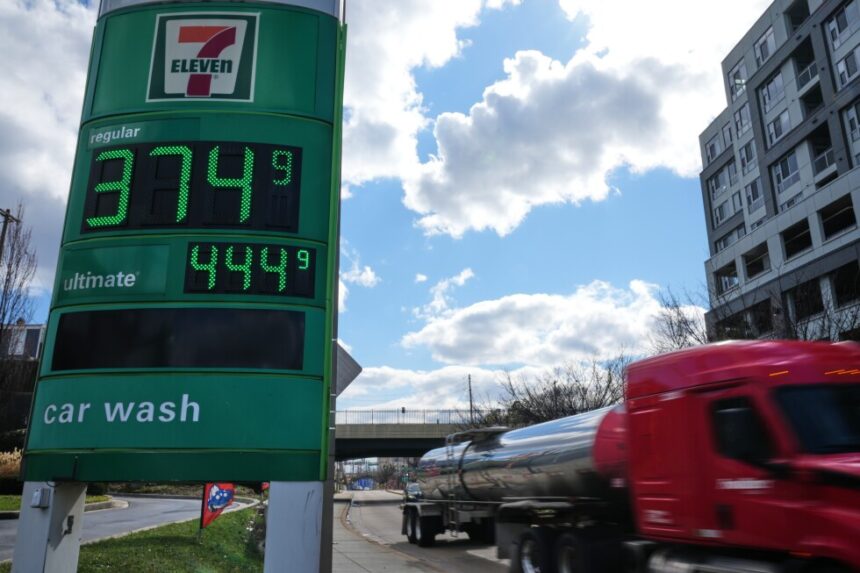
U.S. wholesale prices have experienced a significant increase in the past month, largely attributed to the ongoing conflict in Iran, which has resulted in rising energy costs. According to a report released by the Labor Department, the producer price index (PPI) rose by 0.5% from February, marking a notable 4% increase compared to March 2025. This year-over-year climb is the highest witnessed in more than three years, with energy prices alone soaring by 8.5%.
Core producer prices, which exclude the more volatile categories of food and energy, posted a much more modest increase of just 0.1% from February and 3.8% from the previous year. These modest gains in wholesale prices came in below economists’ expectations, signaling ongoing complexities in the nation’s inflation landscape.
This surge in wholesale prices poses challenges for the Federal Reserve, which is under pressure from political leaders, including President Donald Trump, to lower interest rates. However, in light of rising energy costs and the resultant inflationary pressure, some policymakers within the Fed are advocating for an increase in rates instead.
Food prices have also been notable in the latest figures; they saw a decline of 0.3% in March after a significant rise of 2.4% in the previous month. This decrease in food prices might ease some of the economic pressure on consumers and is set to be a focal point in the upcoming midterm elections. The relationship between wholesale prices and consumer inflation is closely monitored, as many components of wholesale pricing—particularly in health care and financial services—feed into the Fed’s preferred inflation measure, the personal consumption expenditures (PCE) price index.
Economists, including Carl Weinberg from High Frequency Economics, view the latest reports as affirming a change in the Fed’s stance toward inflation. Weinberg noted that the decline in food prices is a welcome development, particularly as affordability issues are central to political debates.
Recent data has indicated soaring gasoline prices, which have contributed to a 3.3% increase in consumer prices year-over-year, the highest increase since May 2024. Additionally, March saw consumer prices rise by 0.9% from February, marking the largest surge in nearly four years.
The impact of the Iran conflict extends beyond immediate price concerns. A forecast from the International Energy Agency predicts that the ongoing war will result in a decline in global oil demand for the first time since the pandemic years, estimating a decrease of 80,000 barrels a day this year. This projection marks a stark contrast to the initial anticipated rise of 850,000 barrels per day prior to the outbreak of hostilities. The IEA has highlighted that March’s figures reflect severe declines, especially due to attacks on energy infrastructure and disruptions in the Strait of Hormuz. Notably, demand destruction appears to have begun predominantly in the Middle East and Asia Pacific, with expectations that it will continue to expand due to escalating oil prices and persistent scarcity.