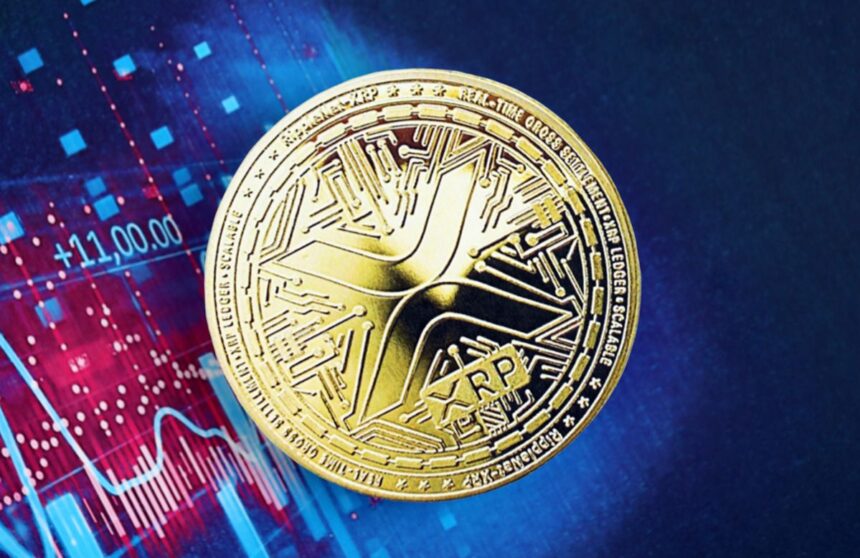
XRP has become one of the most discussed digital assets in the cryptocurrency landscape since its launch in 2012. Initially designed for fast and affordable cross-border payments, XRP differentiates itself from other prominent cryptocurrencies like Bitcoin and Ethereum, which focus on decentralized transactions and smart contracts, respectively. Instead, XRP has pursued a path centered on optimizing global financial transfers.
At its core, XRP serves as the native cryptocurrency of the XRP Ledger (XRPL), an open-source and decentralized blockchain designed to facilitate transactions within seconds and at minimal costs. Unlike Bitcoin, which relies on mining, XRP’s 100 billion tokens were pre-issued, with a significant portion available on the market and the remainder held in escrow by Ripple Labs. This feature positions XRP as a bridge currency, connecting diverse fiat systems to streamline cross-border payments.
Ripple Labs, the company behind XRP, laid its foundation in 2012. The fintech firm has gained prominence for its focus on delivering efficient payment solutions to banks and financial institutions by ensuring quicker and cheaper global transaction settlements compared to traditional systems like SWIFT. Ripple’s services leverage XRP to provide liquidity on demand, enhancing the movement of value across currencies. However, Ripple’s significant control over XRP has elicited discussions on the true decentralization of the asset.
In its formative years, XRP’s price remained relatively low, trading under $0.01 shortly after launch and hitting even lower marks of about $0.0027 – $0.003 in mid-2014. During this time, the broader cryptocurrency market was in its infancy, marked by experimentation and initial adoption phases.
The crypto bull market of 2017 marked a turning point for XRP, as growing retail interest fueled a surge in prices. Between January 2017 and early 2018, XRP experienced a meteoric rise, breaking through the $3.00 threshold and peaking at about $3.65 in mid-2025, driven by broader market momentum and renewed institutional interest. This price growth represented a dramatic leap from its all-time low of approximately $0.002686 in 2014.
However, XRP’s journey has not been without hurdles. The SEC lawsuit filed against Ripple Labs in December 2020 argued that XRP tokens sold by the company should be classified as unregistered securities. This legal challenge sparked a protracted battle that influenced price sentiment significantly, leading to declines and exchange delistings amid regulatory scrutiny. Positive milestones in the legal proceedings often resulted in market rallies, indicating the deeply intertwined relationship between regulatory news and XRP’s price behavior. The lawsuit concluded in 2025 with Ripple paying a fine, propelling XRP’s market sentiment and restoring some trading confidence.
Currently, XRP remains a top-ranked cryptocurrency by market capitalization, trading around $1.80 to $2.00 per token. Although it has faced downturns from its historical peaks, its price dynamics reflect the ongoing cycles of accumulation, breakout, and correction within the cryptocurrency market. Factors such as broader adoption of the XRP Ledger, new partnerships, and improving regulatory conditions are likely to influence its future trajectory.
To summarize, XRP stands out from Bitcoin and Ethereum due to its focus on fast and scalable payments. Post-2018, XRP’s value was affected by both the overall market decline and regulatory challenges. The debate surrounding its centralization continues, largely due to Ripple Labs’ large holdings. In 2025, XRP even achieved new all-time highs, emphasizing the asset’s potential for recovery and growth. Moving forward, market sentiment, regulatory developments, and institutional adoption will play critical roles in shaping XRP’s price and position in the evolving landscape of digital assets.