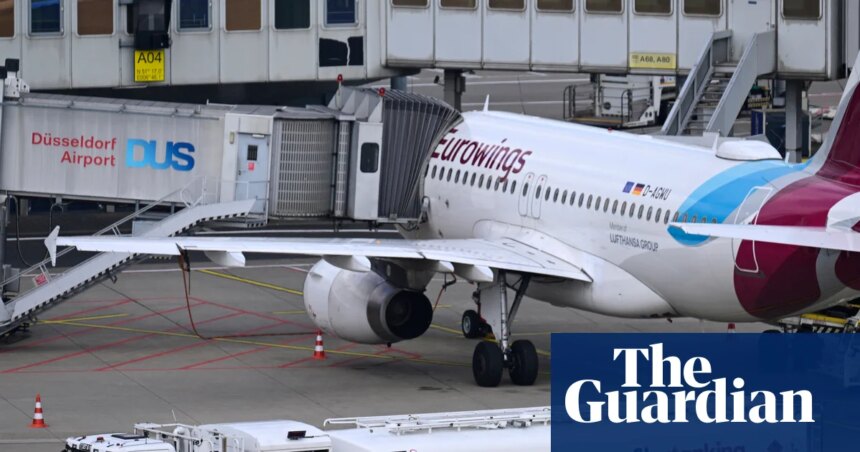
Airlines are bracing for a significant financial strain this year, as an additional $100 billion in jet fuel costs looms on the horizon due to geopolitical tensions, particularly from the ongoing conflict in Iran. This crisis has notably disrupted oil supplies, leading to an expected 70% surge in jet fuel prices through 2026. The International Air Transport Association (IATA) has projected that this increase in operational costs will result in a staggering halving of collective industry profits, dropping from previous figures to approximately $23 billion.
Willie Walsh, IATA’s director general, highlighted the unavoidable reality that soaring oil prices will correlate with increased ticket fares for consumers. In a reality check delivered during the IATA summit in Rio de Janeiro, he remarked, “There’s just no way to avoid that.” This sentiment is echoed by polling within the industry, which indicates that many passengers are now mentally prepared for fare hikes and show a willingness to spend more. However, Walsh emphasized that the duration for which travelers can sustain these higher costs remains uncertain.
The current climate is described as “challenging and unpredictable,” with airlines facing razor-thin profit margins. Walsh pointed out that for some carriers, the heightened fuel costs could pose an existential threat to their operations. Despite these hurdles, he reassured that fears of fuel shortages are subsiding and, in comparison to the industry’s struggles during the COVID-19 pandemic, the present situation does not constitute a crisis. “You’re looking at an industry that is still profitable and still forecasting growth,” he said, noting a 2% increase in traffic overall, minus the impacts of the Middle East conflict.
Sean Doyle, the chief executive of British Airways, provided specific insights on fare increases, suggesting that long-haul and business travelers might bear the brunt of higher prices. He stressed that while fuel costs rise, so too must flight fares, though he anticipates that short-haul holiday flights may see less immediate price adjustment. “A brand like BA, which has a lot of long haul, a lot of corporate, a lot of premium; we’d expect maybe to have more pass-through of prices than a carrier solely competing for leisure short haul,” he explained.
IATA research indicated that around half of air passengers are open to paying significantly more for tickets as oil prices rise, a trend that Walsh finds promising for a robust summer season ahead. Consequently, a surge of British and European travelers is anticipated within Europe, as many opt for local destinations over long-haul trips, largely due to instability affecting Gulf travel routes.
However, IATA has expressed concerns regarding the European Union’s upcoming entry-exit system (EES), which may complicate travel for tourists this summer. The organization is urging European lawmakers to reconsider and modify legislation that mandates biometric checks, underscoring potential delays and frustrations at border crossings. Rafael Schvartsman, IATA’s vice-president for Europe, warned that current processing times—which typically range from 20 to 25 seconds—could extend to 90 seconds under the new system, leading to increased wait times for travelers.
The anticipated long waits at passport control are particularly concerning for the Mediterranean region, where British tourists represent a significant portion of incoming travelers. While Greece has opted out of EES checks for UK citizens, Schvartsman pointed out that this singular exemption does not resolve broader challenges affecting multiple nationalities, especially with an influx of American tourists expected as airlines ramp up summer flights to Europe.
The conversation surrounding these developments was highlighted at the IATA summit, which featured flight arrangements provided by IATA in collaboration with Latam airline. As the airline industry navigates these turbulent waters, the focus remains on balancing operational sustainability with customer expectations amidst rising costs and evolving regulatory landscapes.