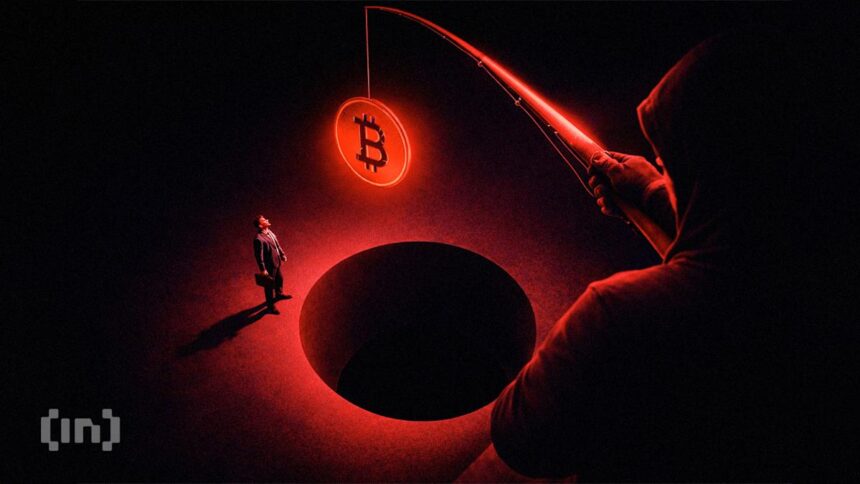
Andrei Grachev, co-founder of DWF Labs, issued a stark warning regarding the potential for a catastrophic crash in the cryptocurrency market, citing Strategy (formerly MicroStrategy) and BitMine as key players that could trigger such an event. In a recent post on X, he urged investors to prepare for the possibility of Bitcoin’s price plummeting to between $10,000 and $20,000, particularly as both companies are facing significant challenges that heighten market fragility.
Grachev’s concerns stem from the phenomenon known as a crypto treasury crash, which can occur when major corporate holders, such as MicroStrategy and BitMine, are forced to sell off substantial amounts of their assets. This selling pressure can create a self-reinforcing downward spiral in prices, exacerbating already vulnerable market conditions. He emphasized that his warning serves as a thought exercise, noting the importance of reconsidering trading strategies should Bitcoin descend to the alarming price levels he outlined.
Currently, Bitcoin has recently dipped below the $60,000 threshold, accompanied by over $1.7 billion in spot ETF outflows in just one week—the most significant decline the market has seen in over a year. Additionally, over $1 billion in liquidations were recorded within a 24-hour period, further intensifying market instability.
Grachev, who has previously highlighted the risks associated with leverage and the structural issues plaguing the crypto market, noted that two corporate giants hold significant crypto reserves, which heightens the potential for widespread panic among both retail and institutional investors if forced selling occurs. He described the looming situation as a “nuclear bomb” event and warned of ongoing “liquidity wars” that have continuously wiped out billions in the crypto landscape.
Examining the specifics of MicroStrategy’s situation, the company faces approximately $13 billion in unrealized losses on its Bitcoin holdings, the largest paper loss it has ever experienced. With over 843,000 BTC on its balance sheet, it recently sold 32 BTC—the first such sale since 2022—as pressure on its capital structure mounts. Its variable-rate perpetual preferred stock, STRC, has also dropped below the $95 mark.
BitMine, also entangled in the turbulence, holds around 5.28 million ETH and is grappling with over $10 billion in unrealized losses, having acquired its Ethereum assets at an average price near $3,500 per token. Like MicroStrategy, any stress on BitMine’s funding could lead to rapid market consequences, with forced or voluntary sales potentially pushing Bitcoin and Ethereum prices into a dangerous liquidation zone.
The overarching macroeconomic environment further compounds these concerns. Continuous ETF outflows, paired with a robust U.S. jobs report that diminished expectations for interest rate cuts, have created a climate of uncertainty. Vocal criticisms, such as those expressed by Jim Cramer, who suggested that MicroStrategy’s CEO, Michael Saylor, has significantly impacted Bitcoin’s market trajectory, are adding to prevailing sentiment of unease among investors.
While Grachev does not predict an imminent crash, his commentary serves as a vital cautionary note, encouraging investors to mentally prepare for the possibility that these two major corporations could inadvertently drive the market down to its lowest levels in years. The situation remains dynamic, and market participants are advised to closely monitor developments as they unfold.