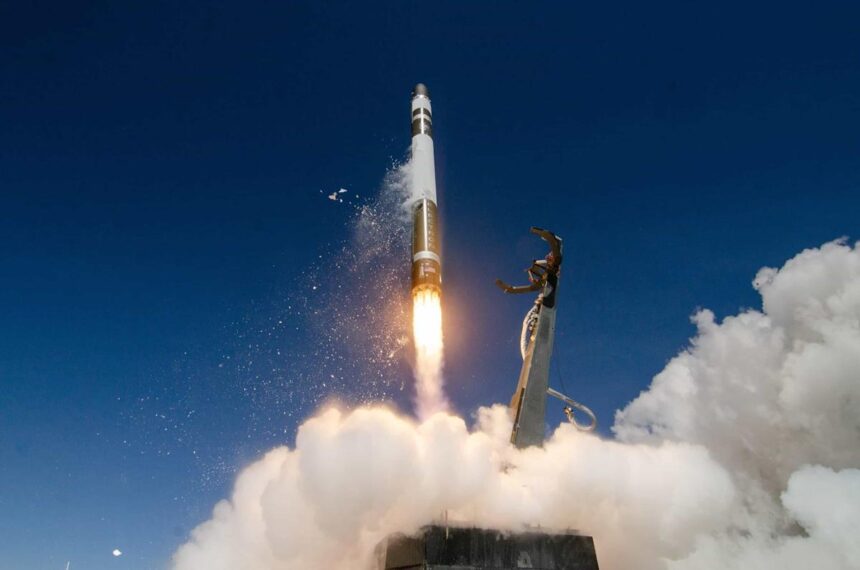
SpaceX’s highly anticipated IPO, set for June 12, is navigating a tumultuous market environment characterized by an aggressive valuation debate. The proposed offering aims for a staggering $1.75 trillion valuation, positioning it as not merely a capital markets debut but a long-term claim on satellite broadband revenues and the future of reusable rockets in commercial space infrastructure.
Recent volatility in the stock market, particularly a significant downturn on Friday, has added layers of complexity to this IPO. Following a robust jobs report, the S&P 500 witnessed a dramatic decline, wiping out approximately $1.4 trillion in market value. This selloff highlighted widespread concerns about high valuations in the tech sector, particularly among AI and technology stocks, which prompted investors to re-evaluate growth prospects as interest rates appear poised to rise.
The tech-heavy Nasdaq-100 fell 4.8% on the same day, with notable declines seen in semiconductor stocks—the PHLX Semiconductor Index dropped by 10.3%. Key players like Marvell Technology and Micron Technology experienced substantial losses of 16.7% and 13.3%, respectively, while Nvidia fell by 6.2%. This market retreat does not indicate a complete turn against tech but reflects investors’ demand for a more substantial margin of safety, critical as they approach SpaceX’s valuation expectations.
According to analysts from Morningstar, SpaceX’s valuation might be around 55% above its estimated intrinsic value, which could pose risks in a tighter liquidity environment. The company’s ongoing financial challenges compound these valuation strains; after reported losses of $4.3 billion in the first quarter, investors must consider whether the IPO reflects a sound long-term investment or an overhyped entry into the market.
For the IPO narrative to hold, SpaceX must successfully scale its satellite broadband business, Starlink, while the ambitious Starship program needs to achieve efficient and economically viable space travel. Investors are being asked to trust that these programs will mature commercially with minimal setbacks, which history suggests may be overly optimistic. Research indicates that around 60% of IPOs underperform three years post-listing, often when exuberance overshadows fundamental growth trajectories.
Yet, the potential for SpaceX to succeed remains viable. The company’s profile as an essential player in space and communication markets fosters a fear of missing out (FOMO) among investors, potentially mitigating concerns over valuation. Institutional investors are anticipated to react similarly, especially with SpaceX likely being included in major indices such as the Nasdaq-100 and FTSE Russell, which could drive additional passive investment flows.
Moreover, investor enthusiasm for SpaceX’s offering is bolstered by a notable supply constraint, with approximately 78% of the IPO proceeds already earmarked by investors. This could create a tight supply-demand dynamic, further influencing the initial pricing trajectory.
Ultimately, SpaceX’s upcoming IPO is not merely a transaction but a critical measure of investor appetite for high-growth companies with protracted timelines for profit realization. The recent market downturn narrowed the scope for price expectations, making it clear that SpaceX requires more than initial enthusiasm. It must instill investor confidence that earnings will eventually resonate with its ambitious narrative, raising the stakes for its forthcoming debut.