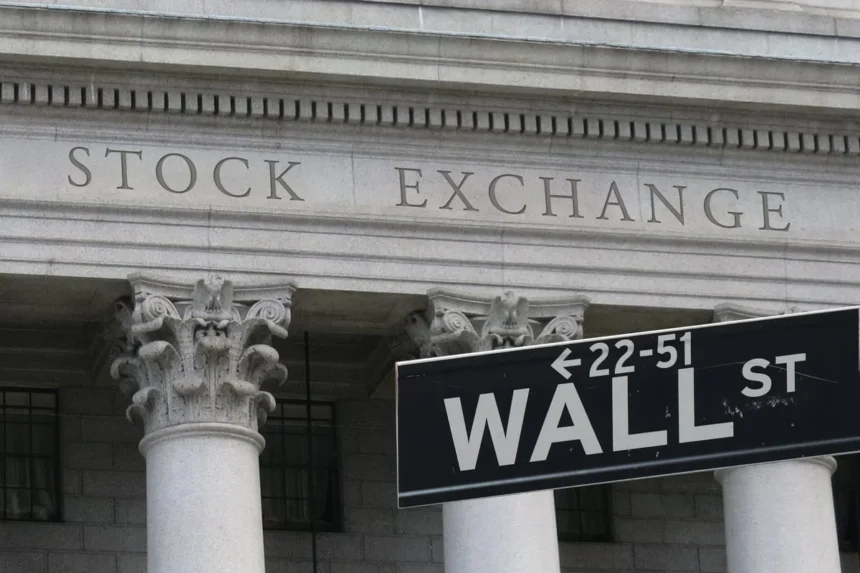
Wall Street sell-side analysts are known for their historically optimistic outlook, often recommending buy ratings for the stocks they cover. However, recent predictions from this group suggest an unprecedented scenario that may raise red flags for investors.
Currently, analysts foresee an astonishing aggregate earnings growth of 25.5% for the S&P 500 over the next five years, the highest expectation since tracking began in 1995. This surge in optimism is largely attributed to the transformative potential of artificial intelligence (AI), which analysts believe could significantly boost productivity across various sectors. Notably, this enthusiasm about earnings growth mirrors sentiments seen during the peak of the dot-com bubble, driven by similar technological advancements.
In conjunction with these projections, the number of buy ratings for S&P 500 companies has reached a record high. As of late May, 59.5% of analyst ratings were buy recommendations, marking the most favorable outlook since 2010. Historically, peaks in buy ratings such as these have been associated with market downturns, as seen in the lead-up to bear markets in 2018 and 2022.
Investment manager Tobias Carlisle has pointed out that the accuracy of analysts’ five-year earnings projections tends to diminish, especially during extreme optimism. He argues that these estimates are more indicative of market sentiment than reliable forecasts. Higher expectations might lead to greater challenges for stocks in meeting or exceeding those expectations.
Warren Buffett’s investment philosophy emphasizes caution when the market displays excessive greed. With the current projections of long-term earnings growth far exceeding historical averages, the absence of market fear is evident. While it is certainly within the realm of possibility for stock prices to continue rising, the higher the benchmarks, the tougher the competition for companies to surpass them.
Looking ahead to potential investments, prospective buyers of S&P 500 Index stocks should approach with caution. Alternative investment avenues may present more lucrative opportunities. For instance, an analysis by the Motley Fool’s Stock Advisor team highlights 10 equities currently deemed better options than the S&P 500 Index. Historical data shows that when selections like Netflix and Nvidia were recommended, they generated substantial returns for investors.
While the current climate showcases robust analyst optimism, the implications for investors are complicated. With the risk of unfulfilled earnings expectations looming, focusing on companies trading at discounts relative to projected growth may offer a more prudent strategy in this uncertain environment. As market dynamics unfold, investors may do well to recalibrate their strategies and remain alert to changing sentiments on Wall Street.